
Tariffs with India
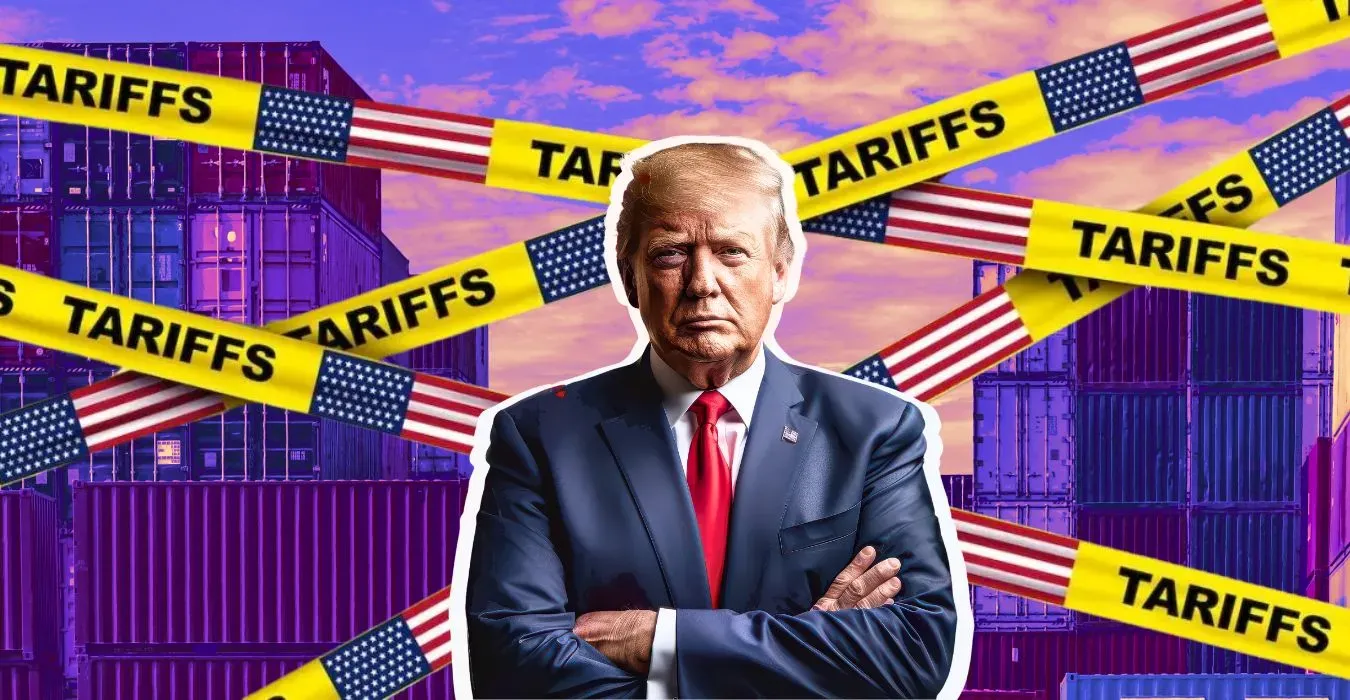
India, which Trump frequently mentions as having some of the highest tariffs (9.5% on average), would experience a reduction of its tariffs on goods sent to India to 3%. Trump’s reciprocal tariffs, which go into effect approximately April 1, 2025, are intended to correct trade disparities. (The U.S. has a trade deficit of $23.26 billion with India over the same period) Trump has long condemned India as a “tariff king” for its protective trade policies, including a 100% tariff on U.S. motorcycles like Harley-Davidson while imposing little duties on Indian bikes in the U.S. The new tariffs would jack up responsibilities on more than $50 billion of Indian exports yearly, affecting essential sectors such as I.T. services, textiles, pharmaceuticals and automobiles. For instance:
- IT Services: More than 80 per cent of India’s IT export revenue comes from the United States and increased tariffs could dampen demand for outsourcing.
- Textiles and Pharmaceuticals: These industries’ consumption costs increase for the USA and fallen USA exports impact Indian job losses.
A State Bank of India report stated that economists fear this may shrink Indian exports to the U.S. by 3-3.5%, even with tariffs of 15-20%. Although this has limited implications for the Indian economy (it is more domestic-oriented), a worst-case scenario (high tariffs) might reduce the Indian GDP by up to 0.5%, particularly with global trade disruptions.
India could counter the proposal with tariffs, just as in 2018, when Trump’s steel and aluminium tariffs led to a retaliatory hike on U.S. products such as apples and almonds. Or, as experts like Ajay Sahai have suggested, India could reduce tariffs on imports from the US (e.g., energy, defence, or medical equipment), thereby reducing the trade deficit and avoiding escalation.
Support to China and Russia
Trump’s broader tariff strategy has also involved pressuring countries like China and Russia, although his approaches vary for each. He enacted a 10% tariff on Chinese goods (effective 4 February 2025). He has threatened 100% tariffs on the BRICS nations, including China, Russia and India, if they pursue a route towards developing a currency that could rival the U.S. dollar. However, Trump’s harsh rhetoric alone does not “support” China or Russia; somewhat his policies have indirectly influenced India’s relations with both:
China: The new Trump tariffs on China (up to 60%) are designed to splinter the U.S. economy from Chinese manufacturing. First, they threatened a 25% tariff on China, but only 10% was imposed. They are being lenient on the TikTok ban. This creates opportunities for India to become an alternative supplier to the U.S., boosting electronics, pharmaceuticals and textile exports. However, it also risks China dumping surplus goods on India, which could be a headache for local industries unless India raises its protective tariffs.
Russia: U.S. sanctions on Russian oil (like those aimed at Gazprom Neft and shadow fleet tankers in January 2025) have undermined India’s cheap oil imports from Russia, which it needs to offset high energy prices. If Trump offers escalating sanctions, India could shift its oil imports to U.S. crude and look to U.S. LNG (combined imports of $6.5 billion in 2023/24), potentially aligning the economy’s energy trade with the U.S. and moving away from Russia.
Impact on India
- Economic Pressures: The mutual tariffs can potentially increase the costs of Indian exporters, mildly impacting GDP growth by as little as 0.5 per cent in worst-case scenarios. However, India’s strength in its domestic market (e.g., it produces 145 million tonnes of steel but exports only 95,000 tonnes to the U.S.) and export diversification may soften the blow.
- Geopolitical Realignment: Trump’s squeeze of the BRICS could lead to a new entente with China and Russia if they counterbalance U.S. hegemony. On the other hand, India could use this information to negotiate more favourable terms of trade with the U.S., significantly ahead of Modi’s upcoming talks, to align more with American interests and check China.
- Opportunities: U.S. China trade tussles allow India to capture markets freed up by Chinese goods, providing it ramps up its manufacturing capacity. With specific attractive policies, sectors such as semiconductors, medical devices and renewables will grow.
- Risks: A global trade war engineered by Trump’s policies could raise U.S. inflation (above 4 per cent, according to economist Paul Ash worth) and turmoil in emerging markets, including India, with capital outflows or a devalued rupee if China devalues its currency.
conclusion
However, given India’s inward orientation, Trump’s tariffs on India will likely pose short-term economic challenges but minor net damage. His policies toward China and Russia indirectly favour India by opening export markets but complicate the development of its energy relationship with Russia. India’s strategic response—retaliation, negotiation, or diversification—will decide the outcome. Modi’s diplomatic engagement with Trump could yet prove critical in mitigating risks and securing favourable outcomes.
