
 SECURITY ALERT

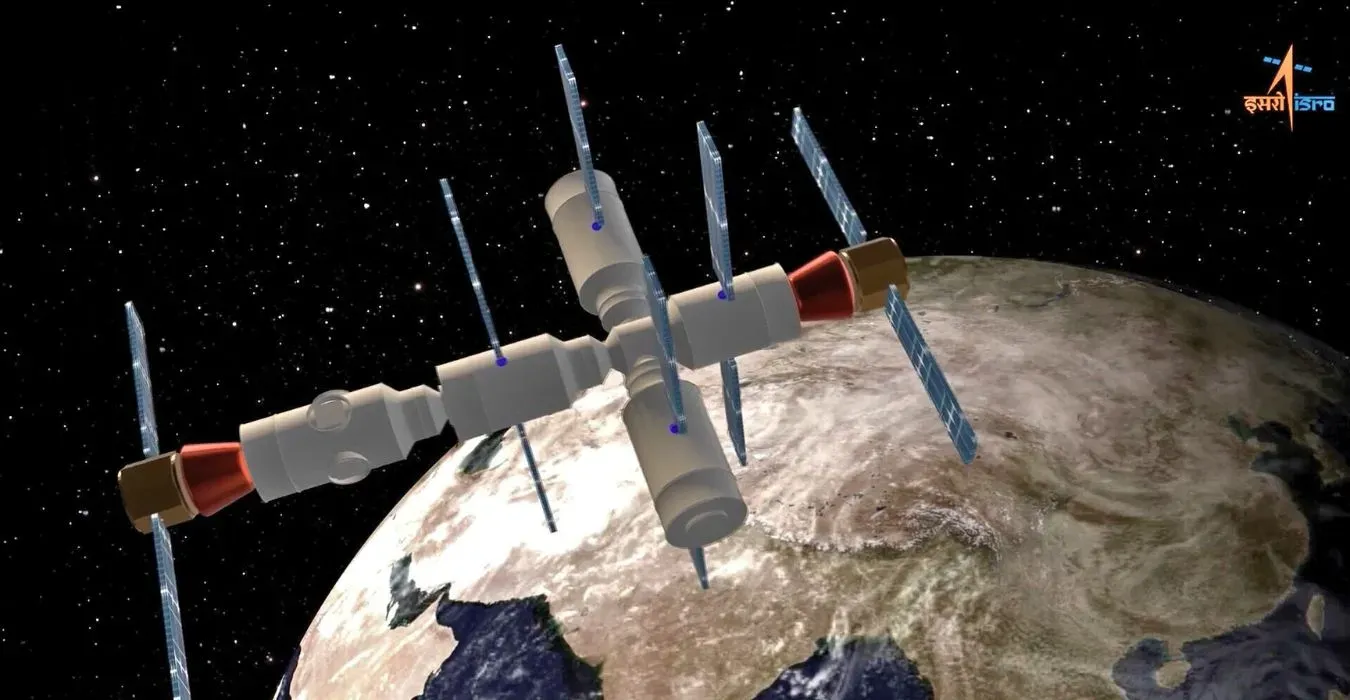
The Global Space Exploration Conference (GLEX) 2025, hosted at Bharat Mandapam in New Delhi, affirmed India’s growing stature in the international space community. Organized by the International Astronautical Federation (IAF), in collaboration with ISRO and the Astronautical Society of India (ASI), this flagship event saw an extraordinary convergence of minds—from astronauts and scientists to global policymakers and innovators. More than 35 countries, 10 astronauts, and hundreds of domain experts gathered for a three-day deep dive into the future of humanity’s journey into space.
Thematic Focus: Reaching New Worlds
Held under the theme “Reaching New Worlds: A Space Exploration Renaissance,” GLEX 2025 went beyond the technical-it embodied a civilizational aspiration. Over 240 interactive presentations unfolded across 10 parallel sessions, covering 15 themes that spanned everything from lunar missions and Mars colonisation to private satellite ventures and global governance in space.
The venue buzzed with energy as 22 exhibition stalls showcased the prowess of India’s burgeoning space-tech ecosystem, ISRO’s latest innovations, and international collaborations. Space agencies like NASA, JAXA, CNSA, ESA, UAE Space Agency, and private players were all present, underscoring the global respect India commands today.
India’s Dual Role: For Bharat and the World
Speaking at the conference, Union Minister Dr. Jitendra Singh delivered a powerful message that resonated across political and scientific boundaries:
“India is no longer a follower; we are now enablers, and we do not act like Big Brothers—we stand as equal brothers.”
He introduced the philosophical framework for India’s space diplomacy: “A for Bharat, B for the World.” On one hand, India will continue to harness space science to empower its own people through telemedicine, weather forecasting, disaster response, and rural connectivity. On the other hand, it will act as a Vishwa Bandhu Bharat-a trusted partner offering inclusive, peaceful cooperation in outer space.
This doctrine reflects a shift from space nationalism to space internationalism, where India chooses collaboration over confrontation—unlike Cold War-era rivalries that defined the early decades of space exploration.
Privatisation and Innovation: The New Orbit of Indian Space Sector
India’s space renaissance isn’t driven by the state alone. Dr. Singh proudly shared that over 190 Indian space startups have launched in just two years since the sector was opened to private investment. This boom includes innovations in launch vehicles, satellite design, debris management, and commercial imaging services.
The Indian National Space Promotion and Authorization Center (IN-SPACE) and New Space India Limited (NSIL) are empowering these private firms, often in partnership with ISRO. Notably, companies like Skyroot Aerospace, Pixxel, and Agnikul Cosmos have gained international recognition, and some are already forging deals with NASA and European buyers.
India’s space economy, projected to grow from $9.6 billion to $40 billion by 2040, is being shaped by this dynamic synergy of public and private forces.
Astronaut Outreach: A Mission to Inspire
One of the emotional highlights of GLEX 2025 was its astronaut engagement programme. The lineup included international space travellers like:
- Hazzaa AlMansoori – UAE’s first astronaut
- Michael López-Alegría – Veteran astronaut (USA/Spain)
- Alper Gezeravci – Turkey’s first spacefarer
- Rakesh Sharma and Angad Pratap – Indian astronaut icons
Their interaction with students, researchers, and space enthusiasts helped humanise the technology-driven world of space exploration. It was a reminder that space isn’t just about rockets—it’s about dreams.
Looking Ahead: From Gaganyaan to the Moon and Beyond
The timing of GLEX 2025 is significant. India is on the verge of launching Gaganyaan, its first human spaceflight mission, scheduled for 2026. Following the success of Chandrayaan-3 and Aditya-L1, ISRO is preparing for missions to Venus , asteroids, and potentially Mars sample return collaborations.
ISRO Chairman V. Narayanan used the occasion to reaffirm the agency’s commitment to interplanetary exploration, but with a clear social focus. “Space is not just about ambition; it’s about accessibility and accountability to society,” he said.
India’s capability in low-cost, high-efficiency missions has already won global admiration. Its continued investments in satellite-based climate monitoring, crop management, and tele-education make it a unique space power—one rooted in public welfare.
Diplomacy in Orbit: A Global Gathering of Equals
GLEX 2025’s global character was evident in its guest list. Space heads like:
- Josef Aschbacher (ESA)
- Kazuyoshi Kawasaki (Japan)
- Wu Weiren (China)
- Salem Al Marri (UAE)
- Jill Smyth (USA)
shared the stage with Indian delegates, building bridges for future multilateral missions. In an era where space is fast becoming militarized, India’s soft-power approach stands out.
Instead of space races, India advocates space partnerships-an idea increasingly echoed in UN discussions around space governance, debris control, and ethical AI usage in orbit.
Conclusion
GLEX 2025 wasn’t just an event it was a vision statement. It declared that India is ready to lead, not dominate. That its space strategy isn’t built on Cold War models, but on democratic access, innovation, and peace.
From humble beginnings with Aryabhata and bullock-cart launches to hosting a global summit in New Delhi, India’s journey is not only historic—it’s hopeful.
In a world looking skyward for solutions, India now stands tall—as a pioneer, a partner, and a peacemaker in the cosmos.
