
 SECURITY ALERT

“We never wanted much from Sri Lanka – except for peace, stability and independence, not beholden to China. They seem to have a hard time achieving the basics,” observed Richard Boucher – a retired American Diplomat who oversaw South Asia as Assistant Secretary in the State Department during his service days. In the 2024 presidential and general elections, the existing political order was overturned in a democratic coup. Sri Lanka’s electorate purged the old guards by wiping out the parties of former Presidents Ranil Wickremesinghe and the Rajapaksa brothers. To the international community, this electoral outcome is consistent with the wider appetite for change among the Sri Lankan electorate. Perhaps, for the first time in decades, identity politics was not at the centrepiece of Sri Lanka’s poll campaign, which revolved around welfarism because the island nation is struggling to recover from a gargantuan economic crisis. President Anura Dissanayake has not only promised to return Tamils’ land grabbed by the State, conduct provincial and local body elections and revive industries in the civil war-affected areas, he was even likened to LTTE leader Velupillai Prabhakaran at an election rally in Point Pedro – deep inside the homeland of Tamil nationalism.
President Dissanayake’s National People’s Power became the first national political outfit in Sri Lanka’s history to win both electoral districts in the Northern Province – including Jaffna, the Tamil cultural capital – in the 2024 parliamentary election. It seems there has been a perceptible shift in the mindset of Sri Lankan minorities, used to prioritising self-determination over development, as they are faced with a “now or never” dilemma in having their long-standing economic grievances addressed. But economic emancipation is one part of transitional justice, which President Dissanayake has promised to deliver. Is he committed to meaningful devolution of power to the minorities for sustainable and inclusive peace? It has been 15 years since Sri Lanka’s brutal decades-long civil war ended. There are credible allegations that all sides to the conflict committed serious human rights and international humanitarian law violations, including incidents of sexual violence, torture, extrajudicial killings and enforced disappearances. Sri Lanka made an unsuccessful attempt to grapple with the past through the transitional justice mechanism. Reimagining strategies to tackle internal impediments toward implementing transitional justice may bear fruit.
Conclusion
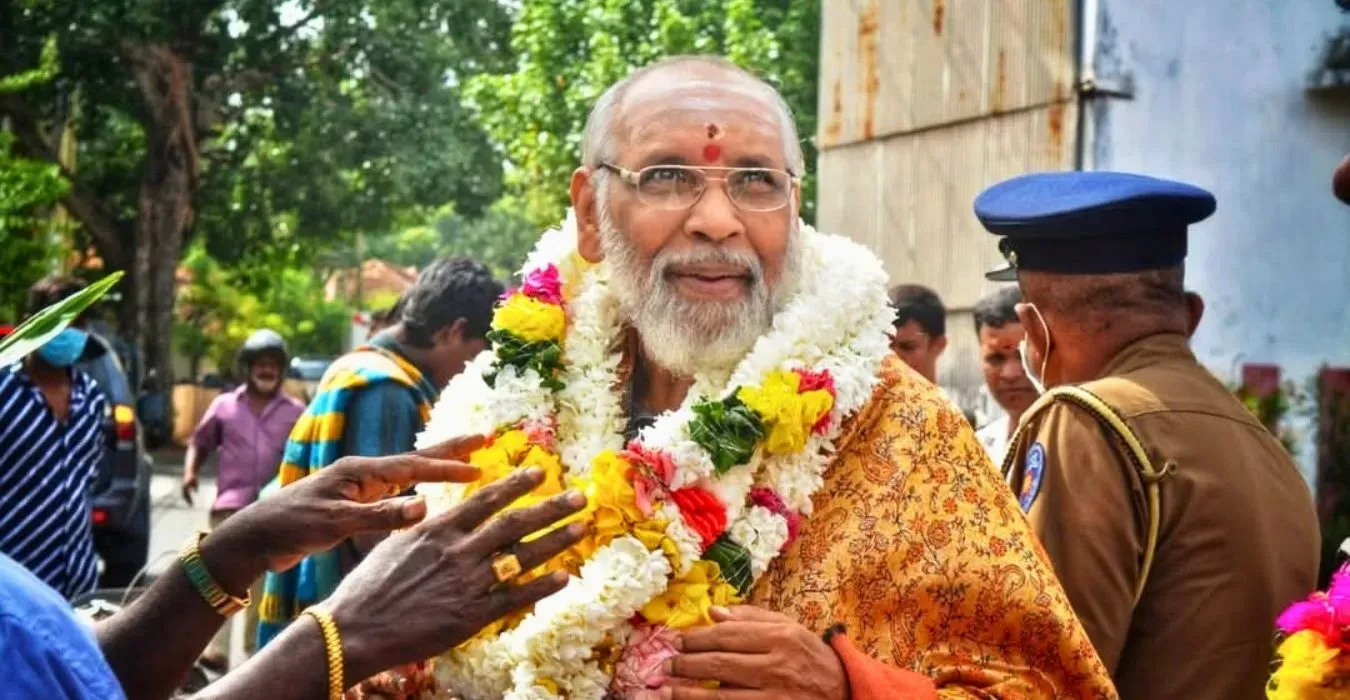
The surviving victims of grave human rights violations perpetrated during the conflict still await justice. But Sri Lanka seems to have moved away from the path of equality, truth and reconciliation. Will economic emancipation do away with the need for closure – for the victims of the civil war? Are Tamils in Sri Lanka ready to let go of the autonomy demand? Most importantly, has transitional justice become irrelevant for them in a new Sri Lanka? There is no indication of any organic change in the Tamil demand to meaningfully participate in the decisions governing their life and ensure the preservation of their identity, heritage and traditions. According to Justice C.V. Wigneswaran, former Chief Minister of the Northern Province, the call for autonomy is rooted in thousands of years of history. Over the last 75 years, minorities have been discriminated against, as they live under a unitary Constitution that concentrates powers among the Sinhala-speaking majority. Thus, transitional justice and autonomy are of paramount importance to prevent this from happening again. “Our autonomy demand does not entail separation. We are seeking federalism or confederalism under a united Sri Lanka,” says Justice Wigneswaran. Even a triumphant Mahinda Rajapaksa conceded, after his landslide 2020 parliamentary election victory, that inclusiveness and a united people are what Sri Lanka needed badly to rise from the ashes of a protracted ethnic conflict. “What is required now is a strong leadership that has people’s confidence, leadership capable of setting the direction decisively and espousing inclusivity and mutual trust” -he had argued.
