
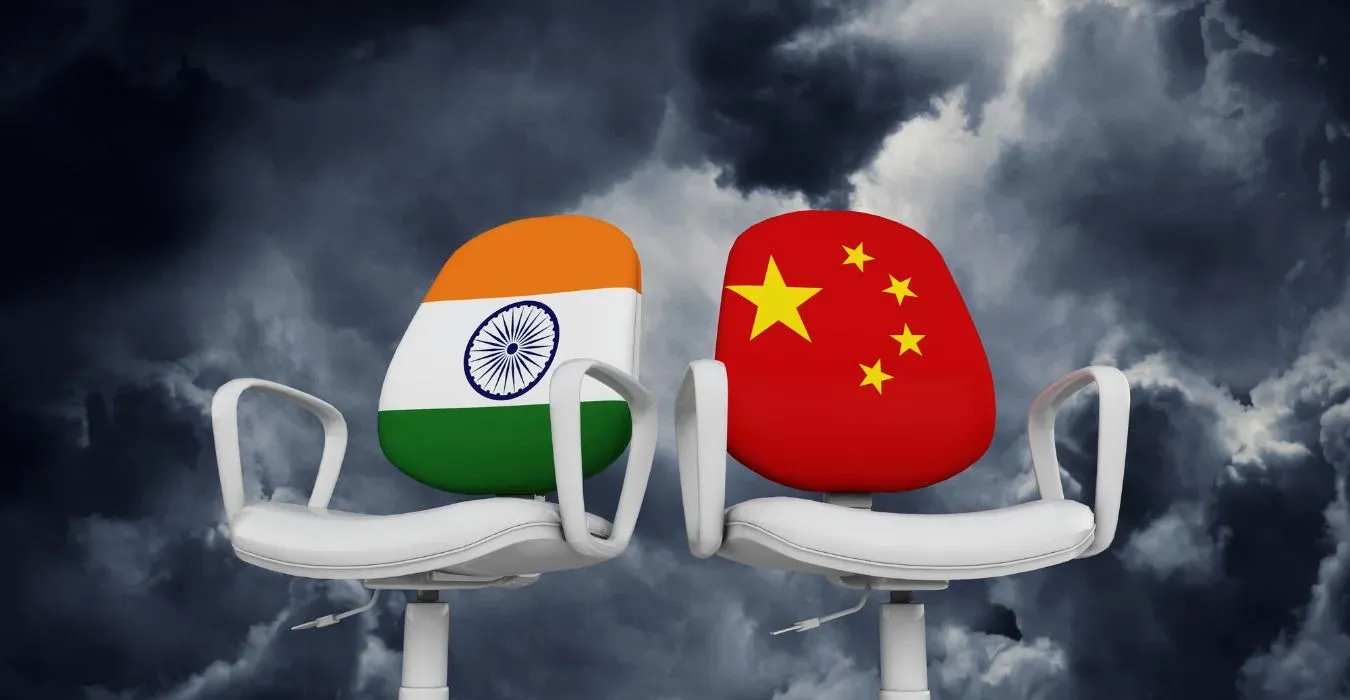
Introduction: The Landscape of India’s Emerging Diplomacy
India is charting a nuanced path in its diplomatic strategy in the current geopolitical climate marked by intensified tensions among major powers such as the United States, China and Russia. The ongoing war in Ukraine and persistent conflicts in the Middle East further complicate the international relations landscape, creating a complex backdrop for India’s foreign policy. To navigate this intricate environment, India has adopted a multifaceted diplomatic approach that balances several key elements.
Central to India’s strategy is its commitment to peace through dialogue & diplomacy. By advocating for diplomatic solutions and maintaining a neutral stance on contentious global issues, such as the Russia-Ukraine conflict and the Israel Hamas war, India seeks to position itself as a proponent of constructive engagement rather than confrontation. This approach allows India to engage with a broad spectrum of global actors while avoiding direct involvement in conflicts that might polarise its international relations. In addition to emphasising diplomatic dialogue, India is actively strengthening its defence ties with strategic allies, particularly the United States and Japan. This focus on bolstering defence partnerships is aimed at countering China’s growing influence in the Indo-Pacific region.
Recent initiatives, including India’s 2+2 Ministerial Dialogue and joint military exercises with the U.S. Japan and Australia in the region, reflect India’s strategic efforts to enhance regional security and create a counterbalance to China’s assertiveness. Simultaneously, India is navigating the challenge of maintaining its traditional relationships despite facing criticism from Western nations. For instance, its continued defence cooperation with Russia, including the acquisition of advanced military systems, has drawn scrutiny from some Western allies. Nonetheless, India remains committed to these historical ties, recognising their strategic importance while balancing them with its evolving global partnerships. Overall, India’s emerging diplomatic strategy is characterised by a careful balance between promoting peace through dialogue & diplomacy, strengthening strategic defence alliances and maintaining historical relationships. This approach enables India to manoeuvre effectively within a complex global landscape and assert its role as a significant player in international affairs.
Rhetoric of Peace through Dialogue & Diplomacy
India’s diplomatic stance on global conflicts is marked by a distinct emphasis on peace through dialogue & diplomacy. This approach is evident in its handling of the Russia-Ukraine war and the Israel-Hamas conflict. In the case of the Russia-Ukraine conflict, India has maintained a neutral position, underscoring its commitment to dialogue and diplomatic solutions. During the G20 summit in September 2023 and later at the G7 summit in Italy in June 2024, Prime Minister Narendra Modi reiterated India’s call for peace, emphasising the need for negotiations rather than escalation. This neutrality aligns with India’s broader strategy of avoiding direct condemnation of any party involved in global conflicts. Similarly, India’s approach to the Israel-Hamas conflict has been characterised by a balanced stance. During the escalation in October 2023, India refrained from taking sides and instead advocated for a peaceful resolution. India’s official statement underscored its support for a two-state solution as a means to achieve lasting peace while avoiding direct criticism of either side. This position reflects India’s broader diplomatic strategy of maintaining neutrality and advocating for dialogue in international disputes.
India’s neutral stance enables it to maintain stable relationships with both Western and non-Western countries, effectively balancing its international ties amid global tensions. This approach is recognised for its balanced and measured response, positioning India as a strong advocate of diplomacy in a polarised world. However, some Western nations criticise India’s neutrality as not sufficiently robust in condemning aggression. By maintaining this balanced position, India can leverage its diplomatic flexibility to counter China’s influence and strengthen its strategic position in the Indian Ocean region. This strategy allows India to navigate the complex international landscape while reinforcing its regional strategic presence.
Strengthening Defence Ties in the Indo-Pacific
India’s strategic focus on strengthening defence ties in the Indo-Pacific is pivotal to its broader objective of countering China’s growing regional influence. Key to this strategy are enhanced partnerships with the United States and Japan, which are instrumental in fortifying India’s security posture in the region.
The U.S.-India defence partnership has seen significant developments, particularly highlighted by the U.S.- India 2+2 Ministerial Dialogue in 2023 and India’s foreign minister Rajnath Singh’s visit from 23-26 August 2024. This dialogue marked a crucial step in deepening defence cooperation between the two nations, addressing shared security concerns and aligning their strategic interests in the Indo-Pacific. This partnership encompasses a range of initiatives, including joint military exercises, technology transfers and collaborative strategies to address regional challenges. Similarly, India’s relationship with Japan has been strengthened through robust defence cooperation. The India-Japan Strategic Partnership has been reinforced by joint military exercises and defence agreements, exemplified by the Japan-India Maritime Exercise held in August 2024. This exercise demonstrated their commitment to enhancing maritime security and ensuring freedom of navigation in the Indo-Pacific.
These partnerships are integral to India’s strategy of countering China’s assertiveness in the region. The Quad alliance, which includes the U.S., Japan, India and Australia, plays a central role in this effort. Through initiatives such as joint naval patrols and increased defence technology transfers, India, along with its Quad partners, aims to bolster regional security and create a counterbalance to China’s influence in the South China Sea and other strategic areas. This multifaceted approach underscores India’s proactive stance in shaping the security dynamics of the Indo-Pacific.
Maintaining Traditional Ties Amid Criticism
India’s commitment to maintaining its historical relationships amid contemporary geopolitical pressures is exemplified by its enduring ties with Russia. Despite facing criticism from Western nations, particularly regarding its acquisition of S-400 missile systems, India continues to emphasise the strategic importance of its relationship with Russia. A notable instance of this commitment was Prime Minister Narendra Modi’s visit to Russia on July 9, 2024, amidst widespread international sanctions imposed on Russia due to the ongoing Ukraine conflict. This visit underscored India’s intention to uphold its longstanding strategic partnership with Russia, highlighting the mutual interests and cooperation that persist despite global pressures.Western criticism of India’s defence ties with Russia has intensified, particularly in light of India’s continued engagement with Russia during the Ukraine war. U.S. and European officials have voiced concerns about India’s procurement of Russian defence equipment, viewing it as misaligned with the broader Western stance against Russian aggression.Nevertheless, India has adeptly managed this criticism by balancing its historical relationship with Russia while simultaneously strengthening its ties with Western allies. This balancing act is evident in India’s active participation in international forums like the Quad and its growing defence collaborations with the U.S. and Japan. By navigating these complex relationships effectively, India maintains its strategic alliances and leverages its diplomatic position to address evolving global challenges.
Conclusion: India’s Diplomatic Strategy and Future Outlook
India’s emerging diplomatic strategy is marked by a commitment to peace and neutrality, strategic defence partnerships and the maintenance of traditional ties despite external pressures. By advocating for dialogue and diplomacy, India has positioned itself as a balanced actor in global conflicts, maintaining neutrality while engaging with both Western and non Western nations. Simultaneously, India has strengthened its defence ties with key allies like the United States and Japan, particularly in the Indo-Pacific region, to counter growing security concerns, especially about China’s influence. Despite criticism, India continues to uphold its historical relationships, notably with Russia, emphasising their strategic importance.Looking ahead, India is likely to continue navigating these complex dynamics by reinforcing its strategic partnerships, balancing its neutral stance with active diplomatic engagement and managing its traditional ties while addressing global criticisms. This multifaceted approach will enable India to assert its role as a significant player on the global stage, adapting to evolving geopolitical challenges while maintaining its core diplomatic principles.
