
 SECURITY ALERT

Why in the News?
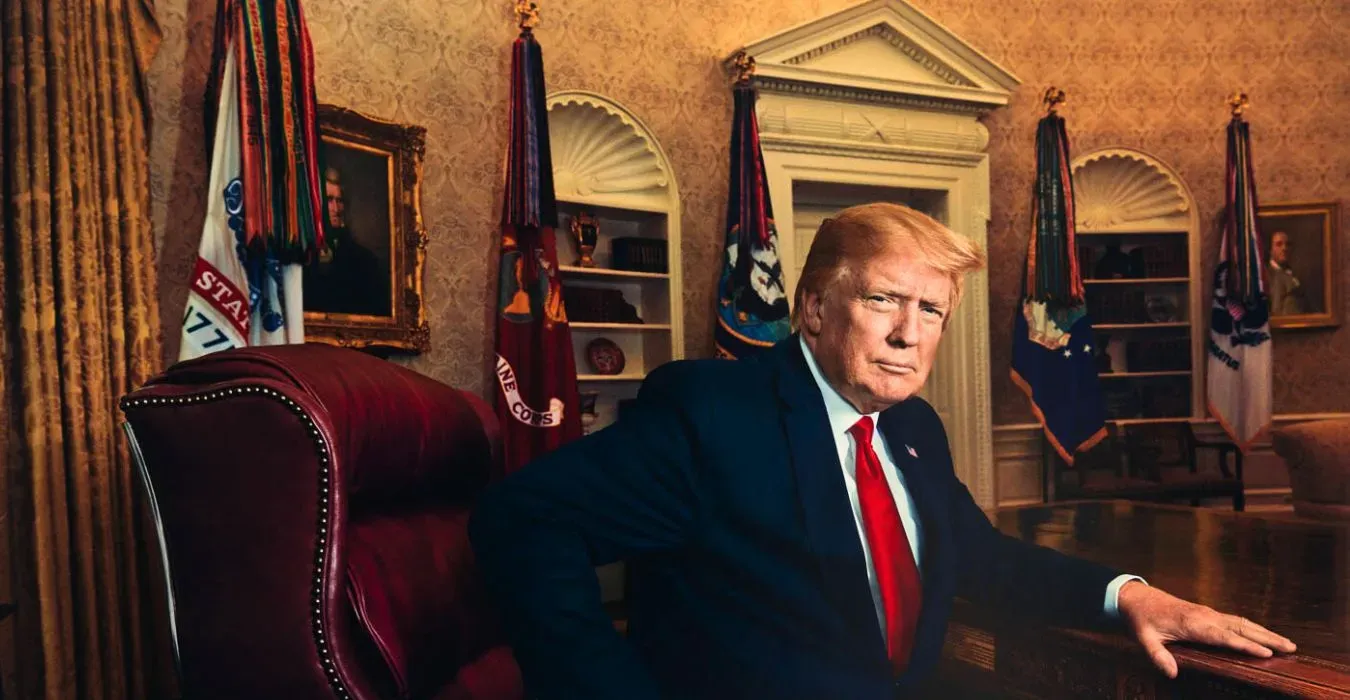
Newly elected U.S. President Donald Trump, set to take office as the President of the United States of America in January 2025 has raised concerns about the growing momentum of the BRICS plan to create an alternative currency to challenge the dominance of the U.S. dollar in global trade. In a series of public statements, Trump threatened to impose a 100% tariff on any transactions conducted in the proposed BRICS currency, signalling potential economic friction between the United States and the countries involved in the initiative. This threat underscores the ongoing geopolitical rivalry and the shifting dynamics of the global financial system, particularly as countries like Brazil, Russia, India, China and South Africa (BRICS) along with its newly joined members in 2024 such as Egypt, Ethiopia, Iran and the United Arab Emirates move towards reducing their over-dependence on the U.S. dollar for international trade giving the US a strategic advantage.
Background Story: BRICS’ Ambitious Alternate Currency Plan
The BRICS nations have long discussed the need to move away from the hegemony of the U.S. dollar in global markets. A significant part of their recent strategy has been the proposal of an alternative BRICS currency by Brazilian President Luiz Lula de Silva to facilitate trade within the bloc and with other countries. The move stems from concerns over the role of the U.S. dollar in imposing economic sanctions and its dominance in global financial transactions, which BRICS members perceive as a threat to their sovereignty.
Current Statistics: The U.S. dollar accounts for nearly 59% of global central bank reserves, down from 72% after World War II. Around 90% of global trade transactions are conducted in dollars and 100% of oil trade is dollar-denominated.
BRICS Trade Data: BRICS nations collectively contribute to 23% of global GDP and 18% of global trade. These figures highlight the significant economic weight of the bloc, making their move towards an alternate currency impactful if realised.
BRICS countries aim to create a more multipolar global financial system, where their economies are less vulnerable to U.S. monetary policy decisions. As part of the plan, they are exploring a basket of currencies or even a single digital currency that could potentially replace the dollar for cross-border trade among member states. In recent years, this initiative has gained momentum, with discussions progressing in various international forums. Experts suggest that a BRICS currency could facilitate smoother trade within the bloc, bypassing the U.S. dollar and minimising the impact of economic sanctions.
Key Debate: De-dollarisation – A Non-starter or a Serious Concern?
One of the pivotal moments during recent BRICS discussions was a pitch by Russian President Vladimir Putin against the concept of de-dollarisation, with strong backing from China. Rather than advocating for an abrupt shift away from the dollar, the narrative emphasised the need to explore alternatives in specific contexts, such as sanctions or strategic trade. This nuanced stance highlights the bloc’s intent to circumvent dependency on the dollar where feasible while acknowledging the entrenched dominance of the greenback in global markets.
For the United States, de-dollarisation rhetoric might seem threatening, but experts suggest it is more symbolic than actionable at this stage. The systemic role of the U.S. dollar, backed by strong financial institutions, deep liquidity and trust, ensures that any such effort would face significant headwinds. However, initiatives like national currency trade arrangements (e.g., India and Russia trading in rupees and rubles) signal a growing willingness to experiment with alternatives.
India’s Role and Perspective
India plays a crucial role in the BRICS bloc and has significant stakes in the success of an alternative currency system. As one of the world’s largest economies and a key member of the BRICS group, India is positioned to benefit from a reduction in dependence on the U.S. dollar.
India’s Economic Profile: In 2023, India’s GDP reached $3.73 trillion, making it the world’s fifth-largest economy. Trade constitutes 40% of India’s GDP, with a substantial portion reliant on dollar-denominated transactions.
Oil Imports: India is the third-largest importer of oil globally, spending approximately $150 billion annually on oil imports. A shift to a BRICS currency could mitigate the impact of dollar fluctuations on these expenses.
India’s primary motivation for supporting such an initiative stems from its desire to strengthen its economic independence, reduce vulnerability to U.S.-led sanctions and increase its global financial influence. By diversifying trade using a BRICS currency, India could potentially secure more favourable economic conditions, such as reduced costs of trade and less currency risk. The proposed alternative currency could also enhance India’s trade relations with fellow BRICS members and other emerging economies, strengthening its position as a key player in the global economy.
However, India’s role in the BRICS currency plan also comes with challenges. As a developing nation with a significant informal economy, India may face difficulties in fully embracing a new currency system. The Indian government would need to ensure that this transition does not disrupt domestic markets or hinder foreign investments, especially as the Indian economy still depends significantly on international trade denominated in dollars. Furthermore, India’s banking and financial systems would need substantial upgrades to facilitate cross-border transactions in a new currency, which could take time.
At the same time, India’s involvement in this project offers substantial opportunities to improve its diplomatic and economic standing on the world stage. The push for a new currency aligns with India’s long-term strategy of positioning itself as a leader in the global south and as an advocate for a multipolar world order, where countries are less dependent on the financial decisions made by a single superpower.
Challenges and Future Prospects
Despite the bold vision behind this initiative, the BRICS alternate currency faces a series of significant challenges.
Economic Diversity: BRICS countries exhibit varying levels of economic strength. For example, China’s economy contributes 17% of global GDP, whereas South Africa’s contribution is less than 1%.
Trade Imbalance: China dominates trade within BRICS, accounting for 60% of the bloc’s total trade. This imbalance raises concerns about unequal benefits from the new currency.
Dependence on Dollar: Approximately 40% of BRICS’s external trade is still conducted in U.S. dollars, indicating the entrenched role of the dollar in their economies.
Moreover, the volatility of emerging markets, as well as differing political and economic priorities, could complicate efforts to establish a stable and reliable currency. The absence of a common fiscal and monetary policy framework between these countries makes the implementation of such a currency difficult. Additionally, the reliance on the U.S. dollar for international transactions is entrenched and a major shift would require substantial changes in trade and investment structures worldwide.
Another critical factor is the resistance from Western powers, particularly the United States. As demonstrated by Trump’s tariff threat, Washington is unlikely to accept the rise of a competing global currency without exerting economic pressure. Moreover, the dominance of U.S.-led financial institutions, such as the International Monetary Fund (IMF) and the World Bank, further complicates the transition away from the dollar.
Despite these hurdles, the future of the BRICS alternative currency is not entirely bleak. The initiative has garnered support from several emerging economies looking for a way to assert greater financial autonomy on the global stage. Technological advancements, such as the rise of digital currencies and blockchain, could provide a feasible path for the implementation of a BRICS-backed currency. Moreover, as global trade becomes increasingly digitised, the feasibility of bypassing traditional financial systems in favour of alternative currencies may improve.
Conclusion
The idea of a BRICS alternative currency is an ambitious step towards reshaping the global financial landscape and reducing dependency On the U.S. dollar. While the challenges are formidable, including resistance from the United States and internal hurdles within the BRICS nations themselves, the growing dissatisfaction with the current system indicates that the world is moving towards a more multipolar financial structure. Whether or not the BRICS currency plan succeeds remains uncertain, but it is clear that the international financial system is at a crossroads and the coming years will likely see significant shifts in the way global trade and finance operate. Trump’s threat to impose 100% tariffs is a reminder of the geopolitical stakes involved in this ongoing struggle for economic dominance.
