
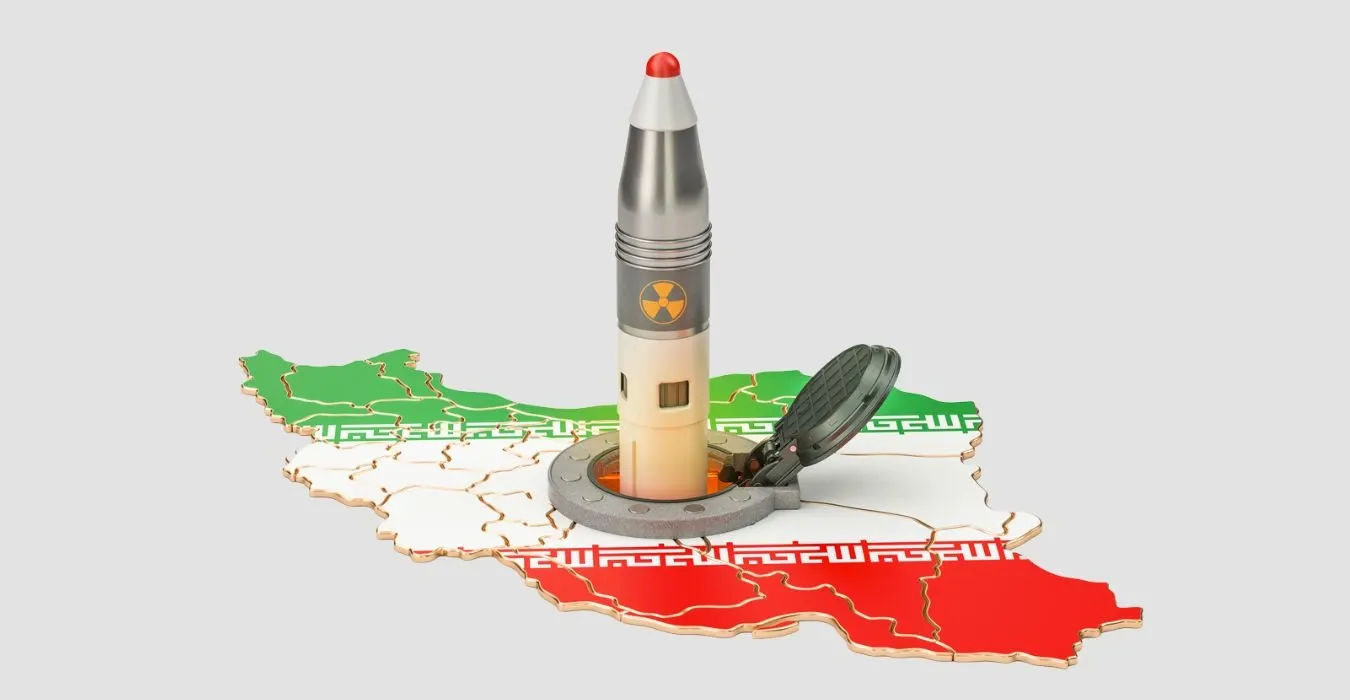
Meanwhile, Tehran has signalled to the West, during its entente with Britain, France and Germany and on different occasions recently, that it is willing to reach an agreement over its nuclear programme coinciding with Donald Trump’s ascendancy to the U.S. presidential chair. During his first presidency, Trump withdrew the U.S. from the 2015 nuke deal (JCPOA) signed between Iran and P5+1 nations. Meanwhile, the Iranian leadership is firmly committed to dialogue and engagement despite announcing the launch of new advanced centrifuges designed to increase its stockpile of enriched uranium within the framework of the Safeguards Agreement.
The West Vacillation On Iran Nuke Issue
Europe’s renewed endeavour to push through a deal with Tehran may not bear fruit as it has lost its leverage with China. Iran’s economic relationship with Europe was disrupted by the U.S.’ Secondary sanctions on entities doing business with Iranand China stepped in to fill that vacuum. Moreover, in a quid pro quo to the lifting of sanctions, Iran has accepted the strongest verification and transparency mechanisms in the history of nuclear non-proliferation. What reciprocal concessions can Europe offer to Tehran if it were to agree to limit its support for Russia in Ukraine and the proxy groups in the Middle-East? Washington, meanwhile, has shown little interest in re-engaging Iran constructively on the nuclear issue though former U.S. Secretary of State John F. Kerry had dubbed the Iran deal as the strongest nuclear agreement that the U.S. has signed since the 1950s. “You are not going to resolve what is happening in the Middle East without getting into a major negotiation,” he observed. Former U.S. President Joe Biden too expressed concern that if Iran breached the red line of nuclear weaponisation, there would be a chain reaction across West Asia – with Saudi Arabia, Turkey and Egypt following suit in no time.
Nuclear Weapons Free Middle East – A Lost Idea?
American intransigence in the way of a settlement over the Iran nuclear dossier since early 2000 kept the nuclear pot boiling in the Middle East. With a war cloud hovering over the region due to Israel-Iran tension, Kamal Kharrazi, an adviser to Iranian Supreme Leader Ayatollah Ali Khamenei, had last year declared that Iran can produce nuclear weapons and is prepared to change its policies on using them if faced with an existential threat. This raised a vital question – Is the possibility of establishing a nuclear weapons-free zone in the Middle East now effectively over? Egypt first mooted the idea in 1990. In a conversation with this journalist, Iranian nuclear negotiator Ambassador Seyed Hossein Mousavian, who served on Iran’s nuclear diplomacy team in negotiations with IAEA, opened up on a WMD free Middle East with Israel as a party. Mousavian wants broad negotiations on the nuclear issue as well as the dangerous confrontations now occurring across the Middle East.
Conclusion
An improvement in Iran-Saudi Arabia relations has created a window of opportunity for the U.S. to support a comprehensive deal between the eight countries around the Persian Gulf region to establish a system of collective security and cooperation, he says. Besides, the Iranian nuclear diplomat believes, that by pressing Israel to implement the UN resolutions calling for a two-state solution in Palestine, President Trump could bring an end to the eight decades-old Palestinian crisis and realise the UN resolution on nuclear weapons-free Middle East too.
But without Israel giving up its nukes, can a WMD-free Middle East ever become a reality? Israelis have consistently maintained that the hate towards Israel and Jews in general is deeply rooted in the region’s psyche and is religiously motivated. This insecurity will come in the way of Israel relinquishing its nuclear weapons even when an independent Palestine is achieved. Mousavian also welcomed any Indian engagement to de-escalate Iran-West tension in the context of New Delhi nudging Tehran to favour dialogue over confrontations and helping them to get out of the FATF blacklist.
