
Historical Background
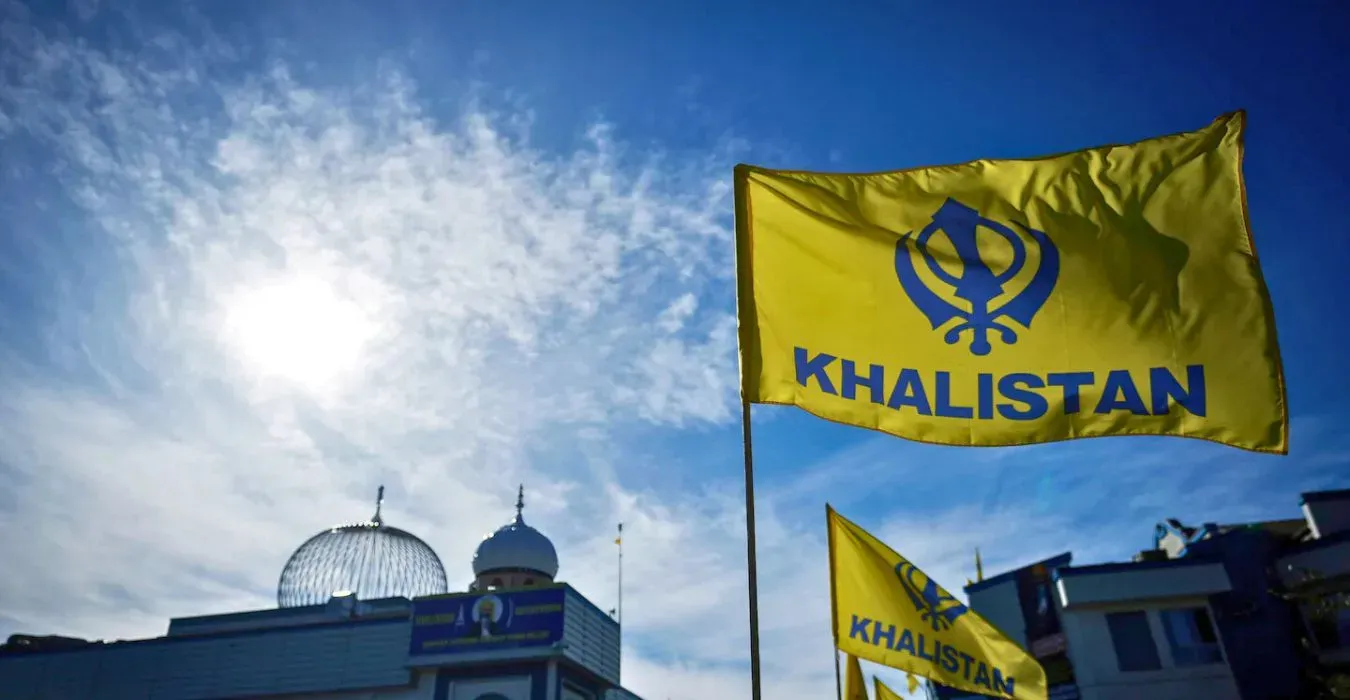
Understanding the Khalistani separatist movement requires delving into its history, causes and ongoing impact on India’s socio-political fabric. It can be traced to the post-independence reorganisation of India. The linguistic reorganisation of states in 1956, which created Punjab as a Sikh-majority state in 1966, sowed the seeds of Sikh identity politics. Many Sikhs felt their distinct identity was being overshadowed within the larger Indian framework.
In 1973, the Akali Dal party articulated the Anandpur Sahib Resolution, which outlined demands for greater autonomy for Punjab and the preservation of Sikh cultural and religious identity. While not explicitly separatist, the resolution was perceived by many as a step toward creating Khalistan. The 1980s saw the radicalisation of the movement, with Jarnail Singh Bhindranwale emerging as a prominent leader advocating for Sikh rights. The movement reached a boiling point with Operation Blue Star in 1984, an Indian military operation aimed at flushing out militants from the Golden Temple in Amritsar. The operation resulted in significant casualties and widespread Sikh outrage.
Thereafter, the assassination of Prime Minister Indira Gandhi by her Sikh bodyguards led to anti-Sikh riots, particularly in Delhi. Thousands of Sikhs were killed and the violence deepened the alienation of the Sikh community, pushing some toward militancy.
Socio-Political and Economic Factors
Economic disparities and perceived marginalisation of Sikh farmers and youth fuelled discontent. The Green Revolution brought prosperity to Punjab but also created economic inequalities and land disputes.Political parties often exploited religious sentiments for electoral gains, further polarising communities. The inability of successive governments to address grievances exacerbated the situation.
The Sikh diaspora, particularly in Canada, the UK and the USA, played a crucial role in sustaining the movement. Diaspora organisations funded separatist activities, lobbied foreign governments and amplified the Khalistani ideology. Moreover, India faced challenges in countering propaganda spread by diaspora groups. Diplomatic tensions arose, particularly with Canada, over allegations of harbouring Khalistani sympathisers.
India’s Response to Militancy and Current Khalistani Movement Dynamics
India’s response to militancy in Punjab during the 1980s and 1990s was multifaceted, involving extensive counter-terrorism operations and political initiatives. The rise of the Khalistani movement, advocating for a separate Sikh state, led to significant unrest and violent insurgency. The government’s measures to curb militancy included military operations such as Operation Blue Star in 1984, aimed at flushing out militants from the Golden Temple in Amritsar. While it neutralised key insurgent leaders, it also deeply hurt Sikh sentiments, causing widespread anger and resentment. Subsequent operations continued to target militant strongholds and sought to dismantle the Khalistani network.
Legislative actions, such as the Terrorist and Disruptive Activities (Prevention) Act (TADA), helped curb the insurgency but were criticised for misuse, alienating the Sikh community. Economic development programs and increased political representation aimed to integrate Sikhs but were overshadowed by mistrust of the state’s security forces. In recent years, the Khalistani movement has seen a resurgence, driven by both domestic and international factors. Social media platforms have become a significant tool for propagating Khalistani ideology, especially among the diaspora. Activists and fringe elements exploit these platforms to amplify their agenda, often spreading misinformation and invoking historical grievances. The farmers’ protests against agricultural reforms in 2020-2021 witnessed attempts by fringe pro-Khalistani groups to hijack the movement. While the protests primarily focused on economic and agricultural concerns, some groups used the platform to reignite separatist narratives, sparking concerns about the revival of militancy.
Pakistan’s alleged support for Khalistani elements complicates the issue, with reports of arms smuggling and propaganda linked to its intelligence agencies. The Sikh diaspora in Canada, the UK and the US plays a dual role, promoting cultural preservation while some factions support separatist activities, creating diplomatic challenges. Addressing this resurgence requires balancing security with civil liberties, learning from TADA’s overreach and building trust through dialogue and fair treatment. Combating misinformation and securing international cooperation against diaspora-backed and cross-border interference are essential. Diplomacy can help curb funding and logistical support for militancy, fostering integration through inclusive strategies. India’s experiences highlight the need for a nuanced approach, combining firm security with outreach to the Sikh community, to counter the Khalistani movement effectively.
International Implications
India has actively countered Khalistani propaganda at international forums, emphasising the unity and integrity of the nation. While addressing extremism, India has also worked to strengthen ties with the Sikh diaspora, acknowledging their contributions to India’s development.
Challenges and Way Forward
Economic and social issues in Punjab need urgent attention to reduce alienation among the youth. Efforts to revitalise agriculture, create employment and curb drug abuse are essential. Fostering a sense of belonging among Sikhs within the Indian framework is crucial. Community dialogues and cultural initiatives can bridge divides. India must balance counter-terrorism measures with human rights considerations to ensure that grievances are addressed without alienating communities. The Khalistani separatist movement is a complex interplay of historical, socio-economic and political factors. While militancy has waned, the underlying issues persist, demanding a nuanced approach. A united and inclusive strategy is essential to address grievances, foster harmony and safeguard India’s unity.
