
The Role of SCO in Regional Security
In the recent past, the political crisis in India’s neighbourhood was marked by a military coup in Myanmar in 2021 followed by a military coup in Bangladesh and the formation of an interim government led by Nobel laureate Muhammad Yunus in August 2024 and persistent security threats posed by Pakistan and China underscore the volatile environment surrounding India. The SCO has emerged as a significant platform for India to engage with key regional powers, such as China, Russia and Central Asian countries, on pressing security concerns. The organisation’s focus on counterterrorism, extremism and economic cooperation is aligned with India’s broader strategic objectives. At the recent SCO Council of Foreign Ministers’ meeting, attended by Dr. S. Jaishankar, India reiterated its commitment to regional stability, underscoring the importance of collective efforts in combating terrorism and ensuring economic connectivity.
India’s participation in the SCO provides it with a structured platform to address security concerns posed by its immediate neighbours, particularly China and Pakistan, within a multilateral framework. The SCO’s Regional Anti-Terrorist Structure (RATS) has become a crucial mechanism for intelligence sharing and counterterrorism coordination. This engagement allows India to strengthen its diplomatic and strategic ties while ensuring that regional peace and stability remain a priority.
BRICS: An Emerging Power Bloc for Economic and Security Cooperation
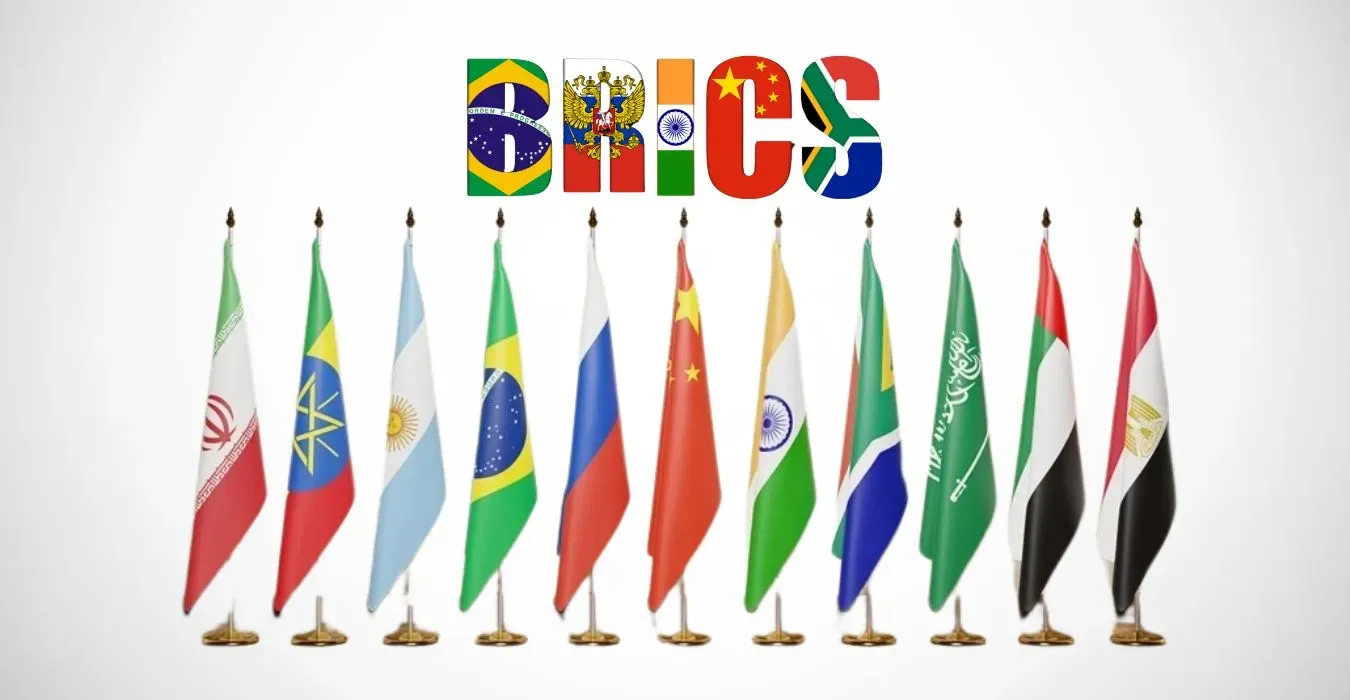
BRICS, composed of Brazil, Russia, India, China and South Africa, has grown into a powerful platform for economic and political cooperation among emerging economies. The upcoming BRICS summit holds particular significance, as it offers India an opportunity to deepen its engagement with global partners on security and development issues. In an increasingly multipolar world, BRICS plays a critical role in shaping global governance structures and addressing regional instability.
India’s active role in BRICS enables it to advocate for issues like counterterrorism, cyber security and sustainable development, all of which are integral to regional stability. The BRICS Counter-Terrorism Strategy, adopted in recent years, reflects India’s commitment to combating the shared threats posed by terrorism and extremism. Moreover, the BRICS New Development Bank (NDB) offers India a means to collaborate on financial mechanisms that can help mitigate the economic challenges posed by regional instability, particularly in neighbouring countries like Bangladesh and Myanmar.
Yunus’s Advocacy for the Revival of SAARC: A Pathway to Regional Stability
Amid rising geopolitical tensions and unresolved conflicts, the revival of SAARC has been suggested as a means to address regional instability in South Asia. Nobel laureate Muhammad Yunus has been a vocal advocate for reinvigorating SAARC, arguing that regional cooperation is essential for peace and development. Though SAARC has been largely inactive due to political tensions, particularly between India and Pakistan, its revival presents a unique opportunity for dialogue and cooperation among South Asian nations.
For India, the revival of SAARC could offer a viable platform to engage with neighbouring countries like Bangladesh, Sri Lanka, Nepal and Pakistan on common challenges, such as terrorism, climate change and economic development. By fostering dialogue within the framework of SAARC, India can promote greater regional connectivity and conflict resolution, ensuring that South Asia remains stable and prosperous.
Conclusion: The Relevance of Multilateral Frameworks in Conflict Resolution
In an era of global uncertainty and regional instability, multilateral organisations like the SCO, BRICS and potentially SAARC are essential tools for conflict resolution and cooperation. The recent participation of Dr. S. Jaishankar in the SCO meeting, the upcoming BRICS summit and Yunus’s advocacy for the revival of SAARC all highlight the significance of these frameworks in India’s diplomatic strategy. By engaging in these multilateral platforms, India is better positioned to address the security, economic and political challenges it faces in its neighbourhood.
These organisations not only provide India with the necessary diplomatic and strategic leverage but also contribute to broader regional peace and stability. As India continues to navigate through the turbulence in its neighbourhood, the role of multilateral frameworks will remain indispensable in ensuring a balanced, collaborative approach to conflict resolution and regional cooperation.
