
Introduction
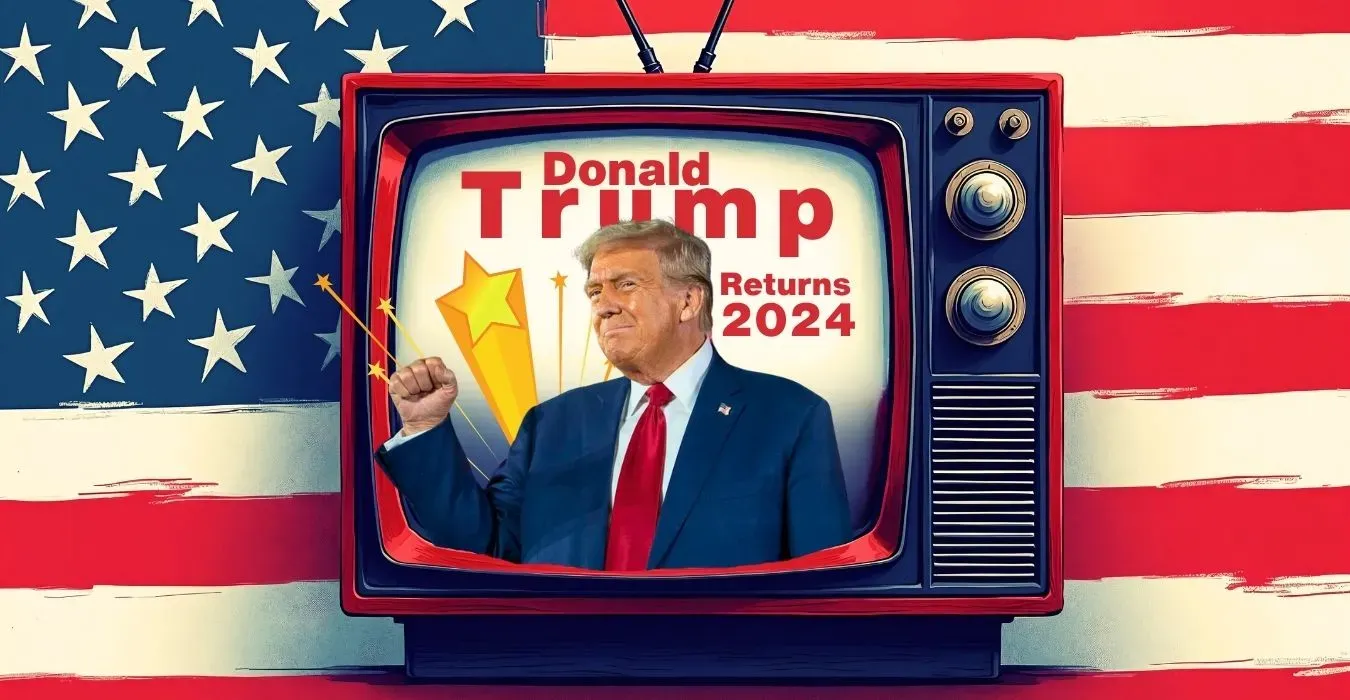
The re-election of Donald Trump introduces a new chapter in U.S. foreign policy. Known for his “America First” approach, Trump’s previous tenure was marked by unconventional diplomacy, trade wars and a focus on bilateral agreements. As he prepares to return to office, global leaders and analysts assess how his policies might reshape international relations. Global Shifts under Trump Trump’s foreign policy is expected to emphasise national interests, potentially leading to reevaluating international alliances and agreements. His administration may prioritise economic nationalism, renegotiate trade deals and adopt a more isolationist stance in global conflicts. This approach contrasts with the multilateral strategies of the previous administration, suggesting significant changes in U.S. engagement worldwide.
Implications for South Asia India: Strategic Partnerships and Challenges
India views Trump’s return as an opportunity to strengthen bilateral ties. His administration’s paramountcy in countering China’s influence aligns with India’s strategic interests. However, concerns arise regarding potential trade tensions, especially if the U.S. seeks to address trade imbalances. Additionally, Trump’s immigration policies, particularly regarding H1-B visas, could impact Indian professionals in the U.S.
Bangladesh: Economic and Humanitarian Concerns
Bangladesh’s economy, heavily reliant on garment exports, could face challenges if the U.S. imposes stricter trade policies. Additionally, Trump’s stance on immigration and refugee policies may influence U.S. involvement in addressing the Rohingya crisis. Bangladesh’s strategic positioning between U.S. and Chinese interests in the region will require careful navigation.
Pakistan: Security and Economic Relations
U.S.-Pakistan relations may experience shifts under Trump’s administration. A focus on counter-terrorism and security cooperation is expected, but economic aid and military assistance could be reassessed. Pakistan’s close ties with China, particularly through the China-Pakistan Economic Corridor (CPEC), may also come under scrutiny, affecting regional dynamics.
The China Factor Escalating U.S.-China Rivalries
Trump’s re-election may lead to intensified U.S.-China tensions. His administration is likely to continue challenging China’s trade practices and assertiveness in the South China Sea. Policies such as revoking China’s “most favoured nation” status and imposing tariffs on essential goods have been proposed. These measures could disrupt global supply chains and affect China’s economic growth.
China’s Response
In response to U.S. policies, China may strengthen alliances with Russia and regional powers. Additionally, accelerating the Belt and Road Initiative could serve as a countermeasure to U.S. influence in the region.
Indo-Pacific Dynamics Quad Alliance and Regional Security
Trump’s administration is anticipated to reinforce the Quad alliance (comprising the U.S., India, Japan and Australia) to counter China’s influence in the Indo-Pacific. This strategy may involve increased military presence and joint exercises in the region. Such moves could escalate tensions in the South China Sea and impact trade routes vital to global commerce.
Impact on the South China Sea
Intensified military exercises and freedom of navigation operations are expected under Trump’s administration. These actions may lead to increased tensions and potential conflicts in the South China Sea, affecting global trade routes.
Geopolitical Conflicts Russia-Ukraine War
Trump’s approach to the Russia-Ukraine conflict remains uncertain. While he has expressed the desire to negotiate peace, his administration’s stance on military aid to Ukraine and sanctions on Russia will significantly influence the conflict’s trajectory. A potential reduction in U.S. support for Ukraine could alter the balance of power in Eastern Europe.
Israel-Hamas War
Trump’s unwavering support for Israel suggests continued backing in the Israel-Hamas conflict. His administration may endorse Israel’s military actions and oppose international interventions. This stance could affect U.S. relations with Middle Eastern nations and influence the broader geopolitical landscape.
Conclusion
Donald Trump’s return to the White House is poised to reshape global geopolitics. Nations particularly in South Asia and the Indo-Pacific, must prepare for shifts in U.S. foreign policy that could impact trade, security and diplomatic relations. Strategic foresight and adaptability will be crucial as the international community navigates this new era.
