
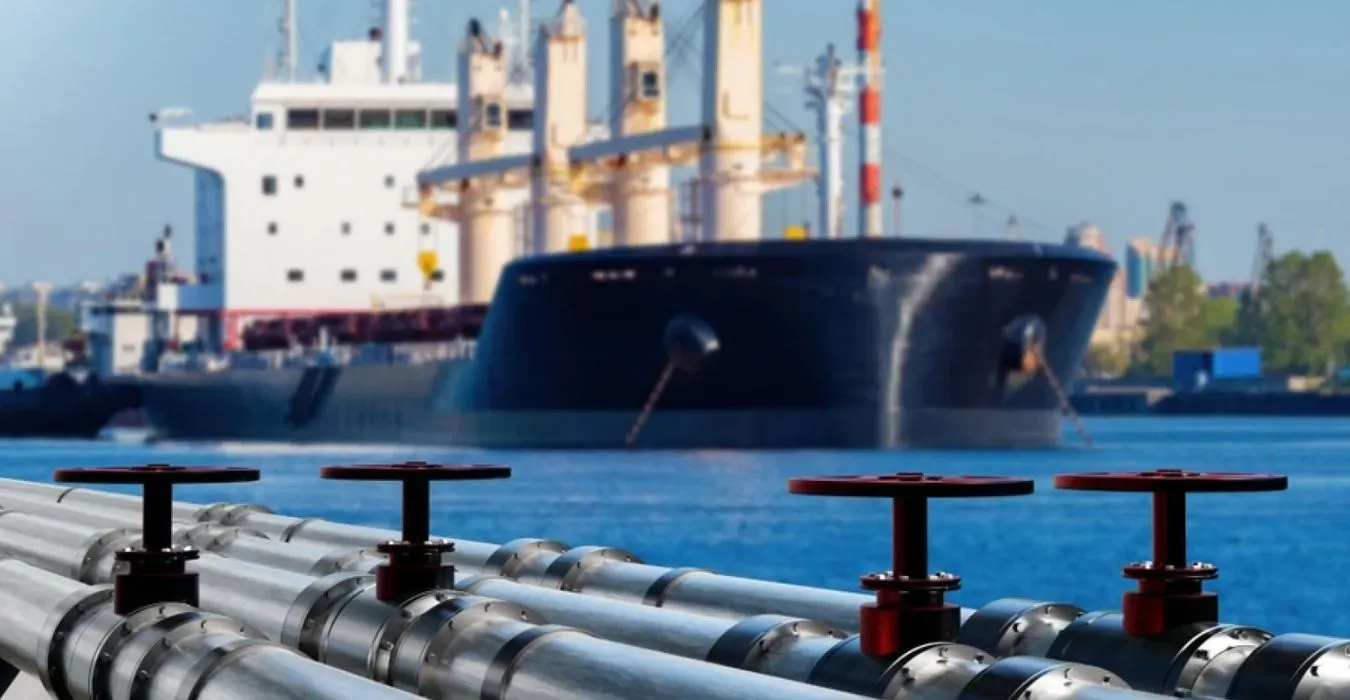
One of the primary opportunities for India in West Asia lies in energy security. The region is home to major oil and gas reserves, with countries like Saudi Arabia, the UAE and Iran being key suppliers of crude oil to India. This energy relationship has been pivotal in sustaining India’s economic growth. Furthermore, the large Indian diaspora in the Gulf, comprising millions of workers, sends back significant remittances, strengthening India’s foreign exchange reserves. These financial inflows play a vital role in India’s economy, making stability in the region a critical priority for New Delhi.
However, the political landscape of West Asia also presents considerable challenges. The region is plagued by ongoing conflicts, such as the Israel-Palestine issue, the Iran-Saudi rivalry and the instability in countries like Syria, Iraq and Yemen. These conflicts can have direct and indirect implications for India’s energy security, diaspora safety and economic interests. For instance, any disruption in the Strait of Hormuz could affect global oil supplies and consequently, India’s imports. Moreover, the increasing influence of external players like the United States, Russia and China in West Asia requires India to carefully navigate its diplomatic relationships without compromising its strategic interests.
West Asia
India’s policy in West Asia has often involved balancing relationships with rival states such as Iran and Saudi Arabia or Israel and the Arab world. While India has historically supported the Palestinian cause, its growing strategic ties with Israel, especially in defence, have added complexity to its stance in the region. Simultaneously, India’s engagements with Iran, including the development of the Chabahar Port, aim to bypass Pakistan and connect with Afghanistan and Central Asia, thus enhancing its regional influence. Yet, these relationships are also influenced by U.S. sanctions on Iran, putting India in a difficult position.
The recent Abraham Accords and normalisation of relations between Israel and several Arab nations provide a new dimension to India’s strategy in West Asia. This development could offer India a platform to deepen its ties with both Israel and the Gulf states without being caught in the region’s historical divides. Furthermore, India’s emphasis on connectivity projects like the India-Middle East-Europe Economic Corridor (IMEEC) aims to position itself as a bridge between West Asia and other regions, fostering greater trade and connectivity.
In conclusion
West Asia represents a mix of challenges and opportunities for India. The region’s strategic importance for India’s energy security, trade and diaspora welfare is immense. At the same time, navigating the complexities of regional conflicts, balancing rival powers and managing external pressures requires a nuanced approach. For India, the future lies in leveraging its historical ties, strategic partnerships and growing economic influence to transform challenges into opportunities in West Asia.
