
Current Landscape of the Indian Defence Industry
The “Atmanirbhar Bharat” initiative has catalysed a transformative shift in the Indian defence sector, positioning it as a future global hub for innovation and manufacturing.
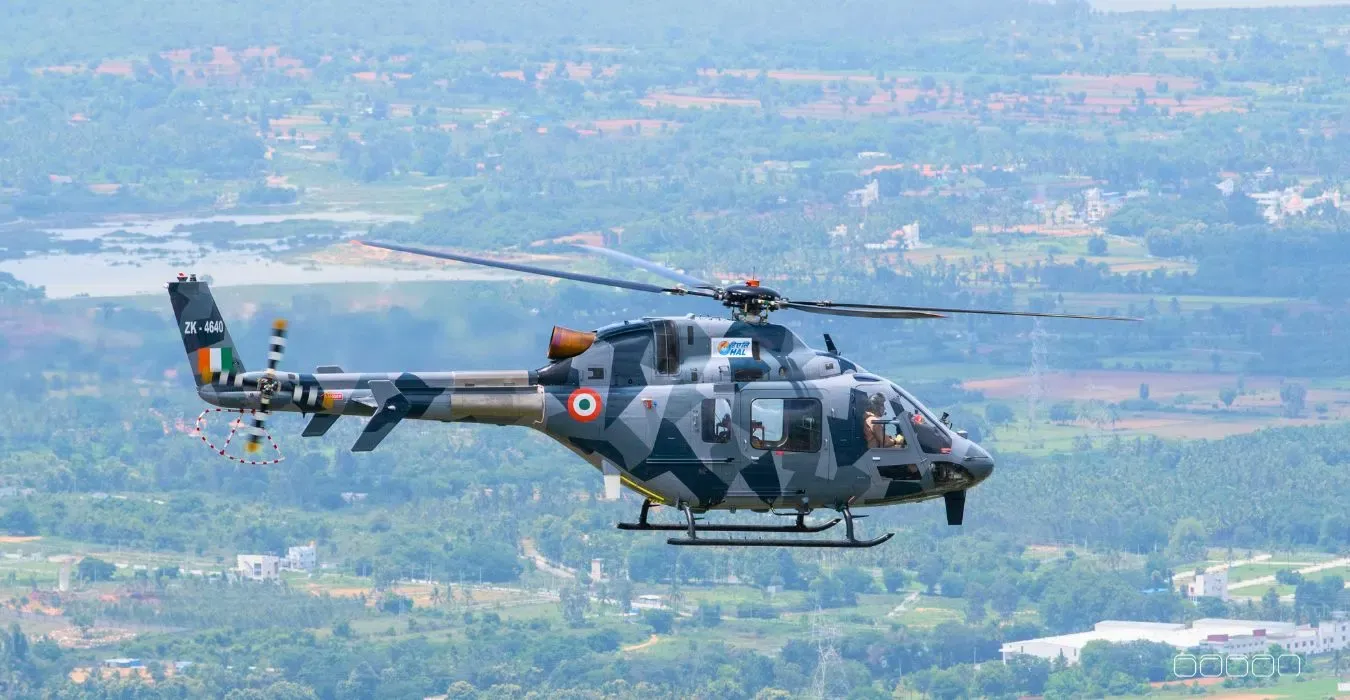
India is one of the largest importers of defence equipment, acquiring sophisticated platforms such as fighter jets, submarines and missile systems from nations like Russia, the United States and France. However, a concerted effort to bolster indigenous capabilities has been gaining momentum. Organisations such as Hindustan Aeronautics Limited (HAL) and Bharat Electronics Limited (BEL) lead the charge in domestic production, manufacturing aircraft, radars and communication systems for the armed forces. The private sector is also increasingly involved, with companies like Tata Advanced Systems, Mahindra Defence and Larsen & Toubro contributing advanced technologies and expertise.
Research and development (R&D) spearheaded by the Defence Research and Development Organisation (DRDO) has enabled significant achievements, such as the Agni missile series and the Tejas fighter jet. Collaborative projects and a focus on indigenous innovation signal India’s readiness to move from being an importer to a global exporter of defence technologies.
Key Initiatives Promoting Self-Reliance
The Indian government has implemented several policies and programmes to foster self-reliance and innovation within the defence sector:
Defence Acquisition Policy (DAP) 2020
The DAP prioritises “Buy Indian” and “Make in India” categories for procurement, streamlining processes to encourage participation from domestic companies. By mandating higher indigenisation thresholds, the policy ensures greater integration of local industries in defence production.
Innovation for Defence Excellence (iDEX)
This initiative focuses on startups and Micro, Small and Medium Enterprises (MSMEs), providing funding, mentorship and a platform to develop cutting-edge solutions for defence challenges. It bridges the gap between innovation and practical deployment, fostering a vibrant ecosystem for R&D.
Strategic Partnerships
Collaborations with foreign manufacturers facilitate the transfer of critical technologies and co-development of advanced platforms. Notable examples include BrahMos Aerospace for cruise missile systems and India’s partnership with Dassault Aviation for Rafale fighter jets. These partnerships combine global expertise with domestic capabilities.
Contributions to National Security
A strong defence industry directly enhances India’s national security in multiple dimensions:
Enhanced Self-Reliance
Reducing dependence on foreign imports strengthens India’s strategic autonomy, ensuring uninterrupted access to critical systems during geopolitical crises. Self-reliance mitigates vulnerabilities arising from supply chain disruptions and embargoes.
Boosting Operational Readiness
Indigenous manufacturing allows for faster maintenance, upgrades and customisation of defence systems. Platforms like the INS Vikrant, India’s first indigenous aircraft carrier and the Arjun Main Battle Tank (MBT) significantly enhance combat capabilities.
Economic and Strategic Impact
The defence industry is a major driver of employment and skill development in high-tech sectors. Additionally, exporting defence equipment to friendly nations bolsters India’s geopolitical influence, positioning it as a reliable partner in global security.
Challenges Facing the Defence Industry
Despite the progress, the Indian defence sector faces several challenges that must be addressed to fully realise its potential:
Limited R&D Investment
India’s expenditure on defence R&D remains low compared to global leaders like the United States and China. This constraint hampers the development of next-generation technologies.
Dependence on Critical Technologies
India continues to rely on foreign sources for advanced systems such as jet engines, radars and avionics, which limits self-sufficiency in critical areas.
Procurement Delays
Bureaucratic inefficiencies and lengthy decision-making processes impede timely acquisition and deployment of essential systems, affecting operational preparedness.
The Way Forward
To overcome these challenges and strengthen the defence sector, India must adopt a multi-pronged strategy:
Increasing R&D Funding
Allocating higher budgets for indigenous research and fostering academia-industry collaboration will spur innovation and accelerate the development of critical technologies.
Strengthening Public-Private Collaboration
A closer partnership between Defence Public Sector Undertakings (DPSUs) and private companies will leverage the strengths of both sectors, enhancing efficiency and output. Streamlining regulations will also facilitate greater ease of doing business.
Expanding Defence Exports
Targeting emerging markets in Africa, Southeast Asia and the Middle East can position India as a global supplier of affordable, high-quality defence equipment. By building a reputation for reliability and cost-effectiveness, India can expand its footprint in the global defence market.
Focus on Skill Development
Establishing specialised training programmes and investing in human capital will ensure a skilled workforce capable of supporting high-tech manufacturing and R&D initiatives.
Conclusion
The Indian defence industry stands at a pivotal juncture, with immense potential to bolster national security and contribute to economic growth. By addressing existing challenges, fostering innovation and enhancing exports, India can realise its vision of becoming a global leader in defence manufacturing. A self-reliant and technologically advanced defence sector will not only equip India’s armed forces to meet future challenges but also solidify its position as a key player in global security dynamics.
