
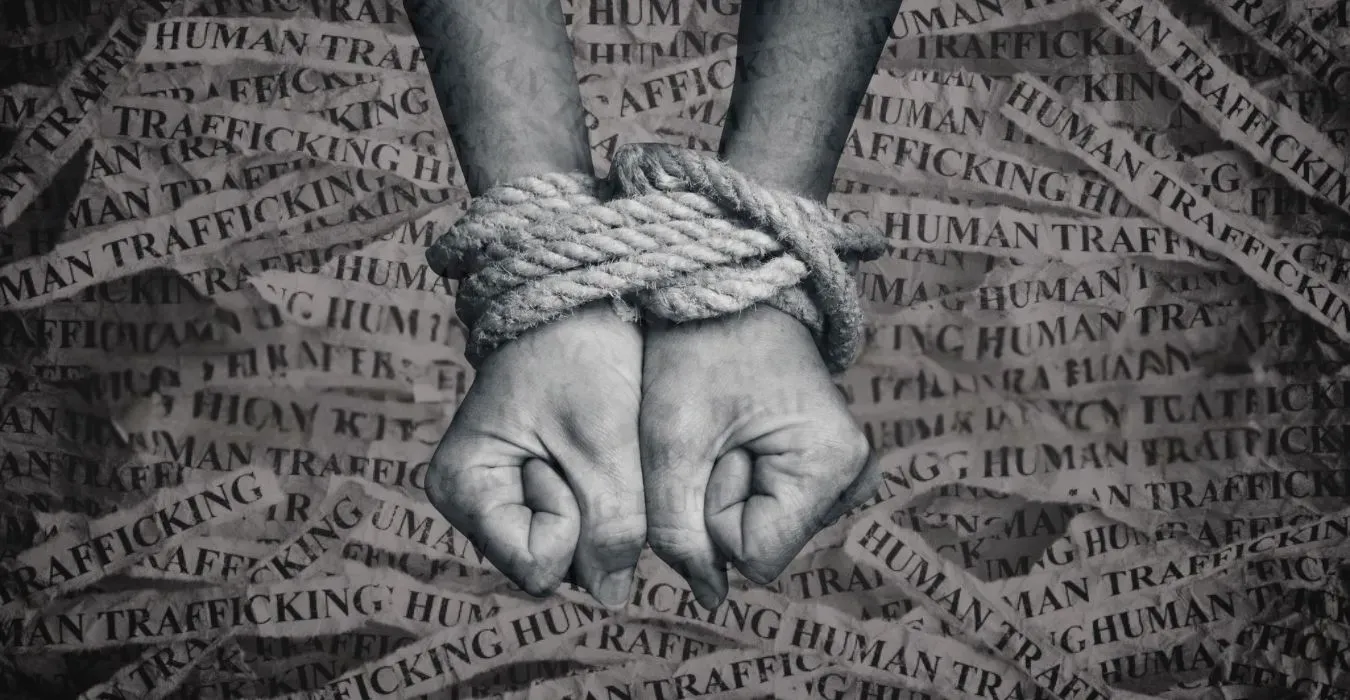
The National Investigation Agency (NIA) has brought to light a sophisticated cyber fraud and human trafficking racket, culminating in the charge sheeting of five individuals connected to a consultancy firm based in Delhi. The operation involved intricate links to fake call centres in Laos, revealing a transnational web of cybercriminal activities. This case underscores the increasingly intertwined nature of human trafficking and cybercrime, where traffickers exploit digital tools and unregulated platforms to carry out their illicit operations.
Modus Operandi of the Criminal Network
The NIA’s probe revealed a well-organised network of traffickers and touts involved in various illegal activities, extending beyond cyber fraud to encompass human trafficking and illegal labour practices. The operation was run through an unlicensed manpower supply agency, which recruited victims with the false promise of legitimate job opportunities. Once the individuals were recruited, they were transported to Southeast Asian countries, such as Laos, where they were coerced into participating in cyber scams.
These victims were often used in operations that involved creating fake profiles on social media platforms, engaging in chats with potential targets in Western countries and convincing them to invest in fraudulent cryptocurrency applications. The scheme preyed on the trust of online users and leveraged the reach of digital communication platforms to spread the fraud across borders. Such a modus operandi reflects the growing trend where human trafficking networks utilise digital tools not only for recruitment but also for executing large-scale cyber scams.
Digital Tools and Cross-Border Operations
The investigation revealed that the criminal network extensively relied on digital tools to facilitate their activities. Cryptocurrency played a crucial role in enabling anonymous financial transactions, making it harder for law enforcement to trace the flow of money. By using cryptocurrency wallets, the accused could extort money from their victims and transfer funds across borders without detection. Additionally, the traffickers leveraged the anonymity offered by encrypted communication channels to coordinate their activities and maintain control over the trafficked individuals. This digital infrastructure allowed them to evade detection by law enforcement agencies, highlighting the challenges that come with policing online spaces where illicit activities can be masked behind layers of encryption. The NIA’s findings also pointed to the involvement of the accused in arranging travel logistics, such as flight tickets and travel documents, for the trafficked individuals. They facilitated illegal border crossings, enabling victims to be transported from India to Laos and other Southeast Asian nations. This aspect of the operation underscores the transnational nature of the racket, with its ability to move people and money across borders while operating outside the purview of local law enforcement agencies.
Challenges in Tackling Cybercrime and Human Trafficking
This case presents a stark example of how cybercrime and human trafficking have become intertwined, with traffickers using digital tools to exploit and manipulate victims. It also highlights the challenges faced by law enforcement in addressing such crimes. The use of cryptocurrencies, encrypted messaging platforms and the dark web allow traffickers to conceal their operations, making it difficult for agencies like the NIA to gather evidence and trace the money trails. Moreover, the transnational nature of the crime introduces legal and jurisdictional complexities. The network’s operations spanned multiple countries, including India, Laos and potentially others in Southeast Asia, creating hurdles in coordinating international efforts against the racket. Jurisdictional issues often slow down the process of extradition and prosecution, allowing traffickers to exploit the legal gaps between different countries.
Conclusion
The NIA’s crackdown on this cyber fraud and human trafficking racket sheds light on the evolving tactics of traffickers who are increasingly harnessing digital technology to carry out their illegal operations. As human trafficking adapts to the digital age, the role of cybersecurity becomes more crucial in detecting, disrupting and dismantling such networks. The need for a coordinated effort between law enforcement, cybersecurity experts and international agencies is essential to address the complex challenges posed by these intertwined threats. The case serves as a reminder of the importance of strengthening cybersecurity measures and digital literacy to protect vulnerable populations from falling victim to such sophisticated criminal enterprises.
