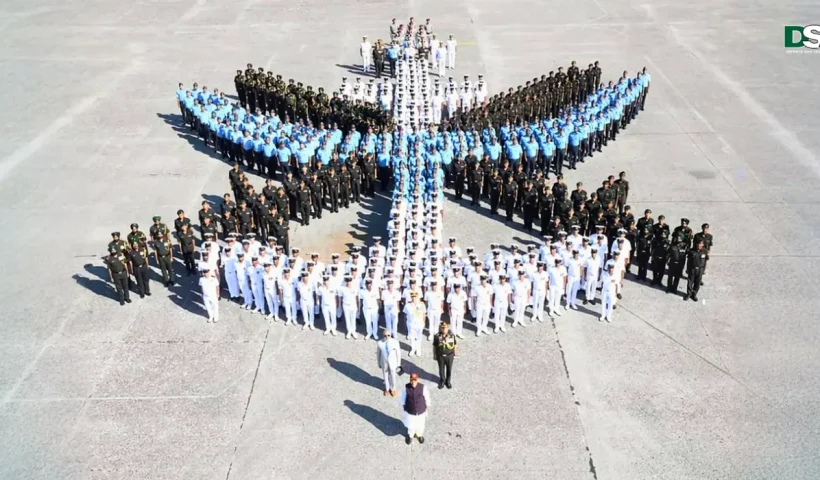
Exercise Trishul is an important step in India’s continued progress toward integrated warfighting and jointness at the theater level. In late 2025, the Southern Command of the Indian Army, the Western Naval Command of the Indian Navy, and the South-Western Air Command of the Indian Air Force all worked together on the western border. The desert of Rajasthan, the marshlands of Kutch, and the northern Arabian Sea were all part of this. Trishul was more than simply a display of strength; it showed that India could work together in many areas, such as land, sea, air, cyber, and space. This article looks at the goals, design, new ideas, and strategic effects of the exercise in light of India’s evolving theatre-command doctrine and Atmanirbhar Bharat defence reforms.
View More Exercise Trishul: Advancing India’s Theatre CommandTag: india
India navigating BRICS
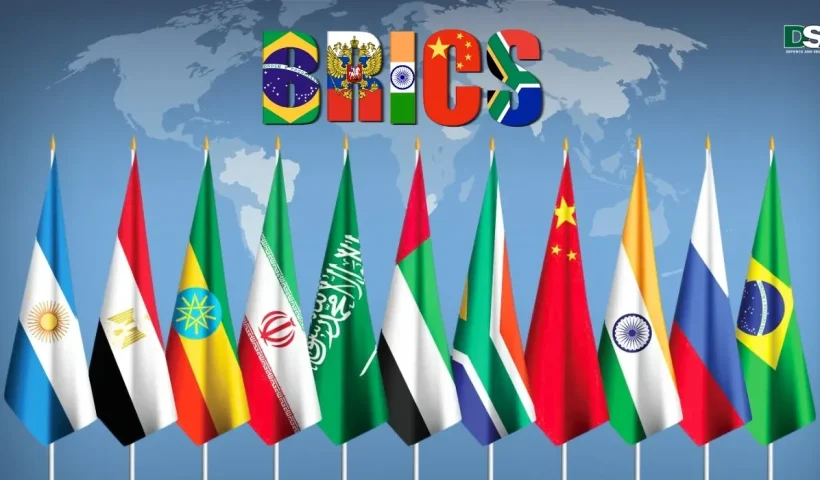
BRICS offers India a strategic platform to promote its developmental goals, maintain strategic autonomy, and influence global governance reforms. However, internal divisions, China’s dominance, and rapid expansion pose significant challenges. India must proactively shape BRICS to preserve its relevance as a cooperative Global South platform.
View More India navigating BRICSFrom Op Sindoor to AI: Doval Inspires IIT Madras Graduates Accord
NSA Ajit Doval’s address at IIT Madras blended strategic insights with a nationalistic call to action. He detailed Operation Sindoor’s success using indigenous systems and dismissed Pakistan’s false narratives. Doval stressed the urgency of self-reliance in tech, AI, and defence. His message to youth: build a secure, sovereign India rooted in pride and innovation.
View More From Op Sindoor to AI: Doval Inspires IIT Madras Graduates AccordBeneath the Surface: Submarine Cables and Strategic Competition
Submarine cables form the backbone of global digital communication but are increasingly vulnerable to geopolitical competition, espionage, and sabotage, particularly by China through its Digital Silk Road strategy. China’s rapid expansion in undersea cable infrastructure has raised global security concerns, with incidents near Taiwan and Europe pointing to possible hybrid threats.
View More Beneath the Surface: Submarine Cables and Strategic CompetitionSecuring Borders with Solar: PM-KUSUM and India’s Strategic Energy Imperative
India’s PM-KUSUM scheme, initially designed for agricultural solarization, holds untapped strategic potential to bolster border security and energy resilience. By targeting energy-deficient border regions with solar infrastructure, it can reduce diesel dependence, enhance rural stability, and support defence operations. Integrating clean energy with national security goals offers India a sustainable path to fortify its frontiers.
View More Securing Borders with Solar: PM-KUSUM and India’s Strategic Energy ImperativeIndia and the New BRICS +: From Peripheral Player to Agenda Shaper?
In the postcolonial era. BRICS and India have gained significant prominence. However, the world has begun to question the BRICS economic intentions but also requested that they become more ambitious. This article will examine the challenges and opportunities that India will face as it navigates this new reality of BRICS+.
View More India and the New BRICS +: From Peripheral Player to Agenda Shaper?S-400 “Sudarshan Chakra” Shields India
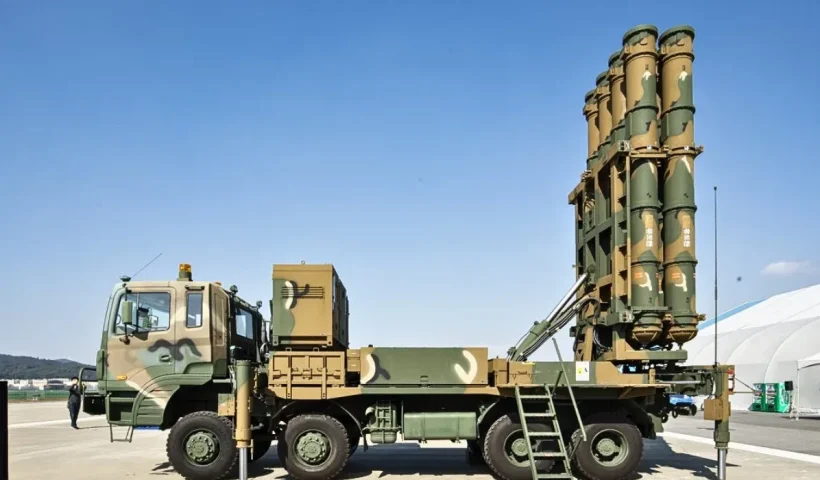
Thwarts Pakistani Missile and Drone Onslaught After Operation Sindoor Following India’s precision strike on terror camps under Operation Sindoor (May 7, 2025), Pakistan launched a large-scale missile and drone offensive targeting 15 Indian cities. India’s S-400 Triumf air defense system, dubbed Sudarshan Chakra, played a decisive role by intercepting over 20 incoming threats, showcasing its superiority in deterring regional aerial aggression. With three squadrons operational and two more on the way, the S-400 is now central to India’s defense posture against both Pakistan and China.
View More S-400 “Sudarshan Chakra” Shields IndiaThe Rising Alliance: Indo-Israel Axis in the Wake of the Pahalgam Attack
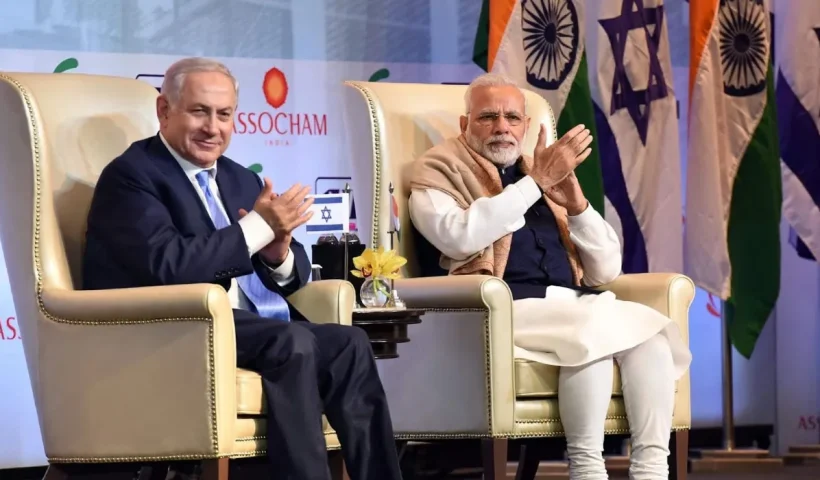
India and Israel’s strategic partnership has deepened post the 2025 Pahalgam terror attack, highlighting shared threats and mutual defence goals. With rising arms trade, cybersecurity cooperation, and joint intelligence operations, the alliance has become pivotal for regional security. Israeli tech and Indian scale now form a powerful deterrent axis. This evolving partnership is redefining Asia-Middle East geopolitics.
View More The Rising Alliance: Indo-Israel Axis in the Wake of the Pahalgam AttackWaqf Board Amendments and National Security: Addressing Concerns of Misuse and Oversight
The Waqf system, which manages Islamic endowments, is pivotal in administering charitable assets in India. Issues of financial mismanagement, lack of transparency and potential abuse of Waqf properties have raised concerns and prompted various revisions in Waqf laws. In the past few years, security agencies have issued warnings about the diversion of Waqf funds for nefarious undertakings, like financing terror.
View More Waqf Board Amendments and National Security: Addressing Concerns of Misuse and OversightKhalistani Movement: History, Challenges, and Modern Relevance
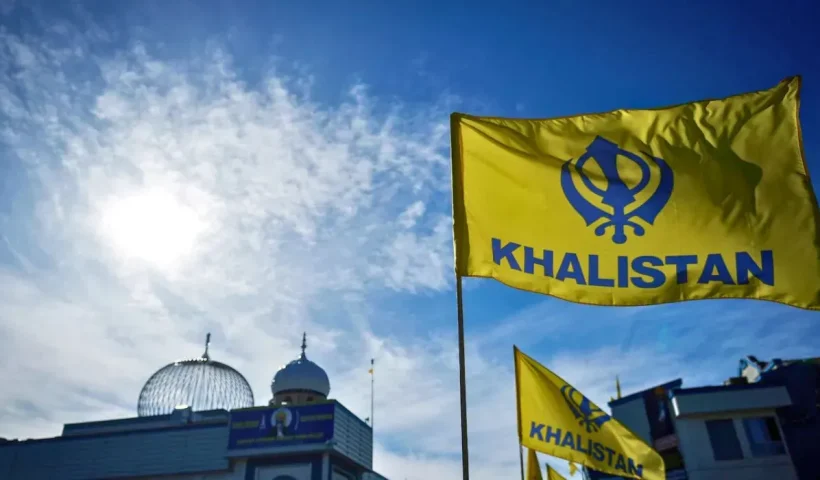
The Khalistani separatist movement is one of the most contentious issues in modern Indian history. Rooted in the demand for an independent Sikh state called Khalistan, the movement primarily arose from Punjab’s socio-political dynamics. While its roots trace back to the mid-20th century, its implications are still evident today, both domestically and internationally.
View More Khalistani Movement: History, Challenges, and Modern Relevance