Op Sindoor to AI

From Op Sindoor to AI: Doval Inspires IIT Madras Graduates Accord

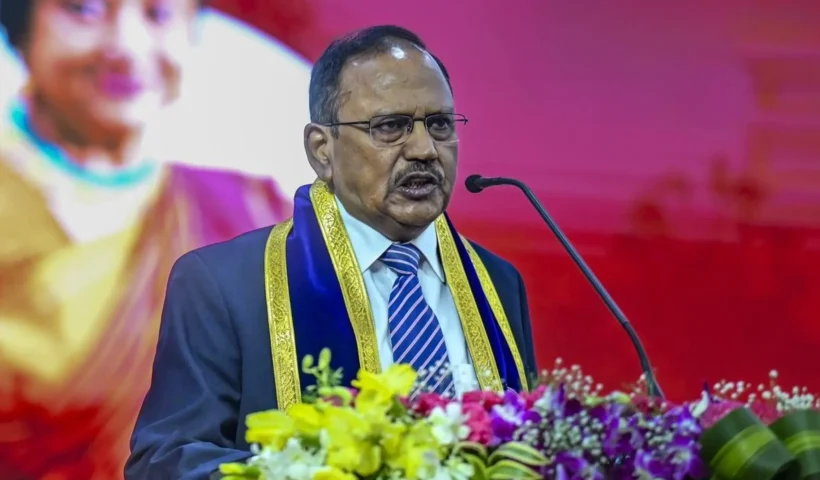
NSA Ajit Doval’s address at IIT Madras blended strategic insights with a nationalistic call to action. He detailed Operation Sindoor’s success using indigenous systems and dismissed Pakistan’s false narratives. Doval stressed the urgency of self-reliance in tech, AI, and defence. His message to youth: build a secure, sovereign India rooted in pride and innovation.

View More From Op Sindoor to AI: Doval Inspires IIT Madras Graduates Accord
Indo-Pacific

Maritime Power and Multi-Domain Integration in Indo-Pacific

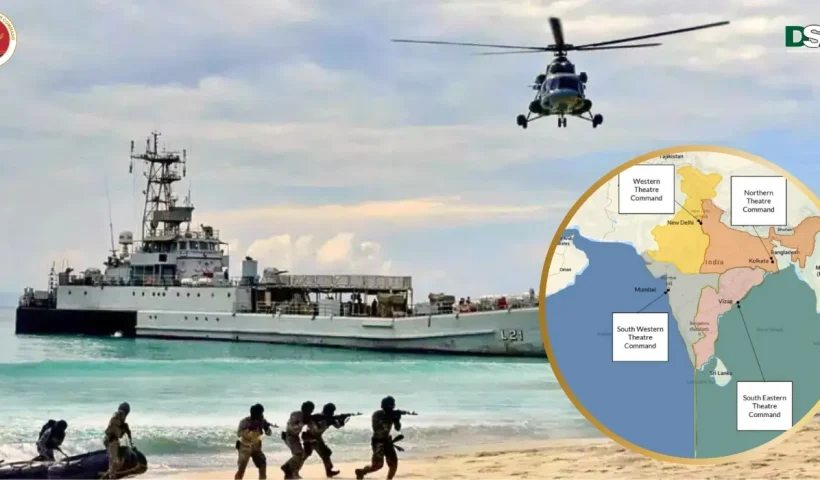
As maritime threats evolve across the Indo-Pacific, countries are shifting toward maritime-centric theatre commands (MTCs) to unify space, cyber, and naval capabilities. While the U.S. and China lead, India’s progress remains hindered by doctrinal ambiguity and interoperability gaps. This article assesses the rise of MTCs, examines case studies, and outlines actionable policy recommendations for building a resilient regional command architecture.

View More Maritime Power and Multi-Domain Integration in Indo-Pacific
BRICS global star

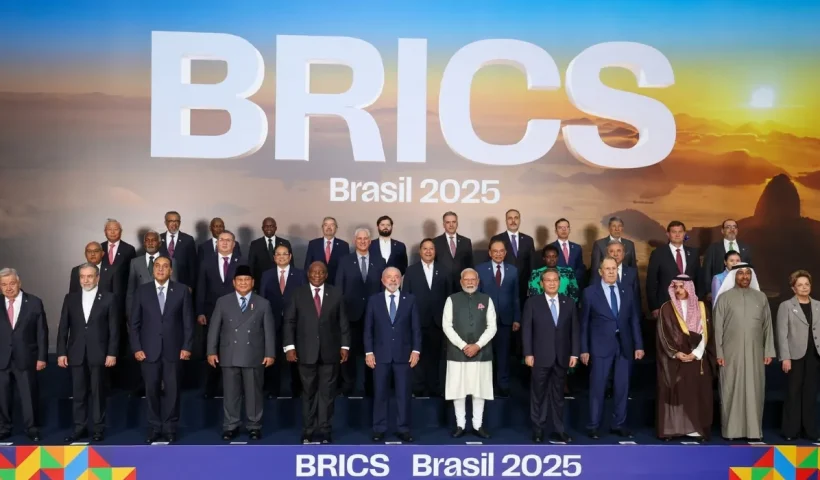
BRICS and the Rise of a New Global Order

The 17th BRICS Summit in Rio de Janeiro signaled a shift toward a multipolar world, with the Global South asserting its role in global governance. BRICS is challenging Western dominance by promoting inclusive, development-focused alternatives in finance, trade, and diplomacy. With expansion and growing unity, it offers a new model of cooperation rooted in mutual respect and sovereignty.

View More BRICS and the Rise of a New Global Order
Submarine Cables

Beneath the Surface: Submarine Cables and Strategic Competition

Submarine cables form the backbone of global digital communication but are increasingly vulnerable to geopolitical competition, espionage, and sabotage, particularly by China through its Digital Silk Road strategy. China’s rapid expansion in undersea cable infrastructure has raised global security concerns, with incidents near Taiwan and Europe pointing to possible hybrid threats.

View More Beneath the Surface: Submarine Cables and Strategic Competition
PM-KUSUM

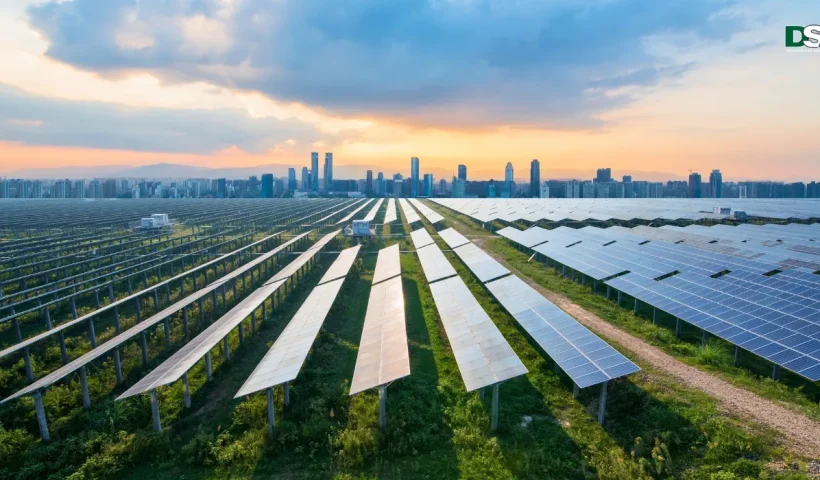
Securing Borders with Solar: PM-KUSUM and India’s Strategic Energy Imperative

India’s PM-KUSUM scheme, initially designed for agricultural solarization, holds untapped strategic potential to bolster border security and energy resilience. By targeting energy-deficient border regions with solar infrastructure, it can reduce diesel dependence, enhance rural stability, and support defence operations. Integrating clean energy with national security goals offers India a sustainable path to fortify its frontiers.

View More Securing Borders with Solar: PM-KUSUM and India’s Strategic Energy Imperative
Space

“Space”: No More the Untouched Frontier

The U.S. currently leads in military space power, with advanced satellites, strong budgets, and deep global alliances. China is quickly catching up by expanding its satellite network, focusing on dual-use technology, and aiming for space dominance. The space battlefield is becoming central to future wars, with AI, missile defense, and satellite resilience shaping the next decade.

View More “Space”: No More the Untouched Frontier
India + Israel

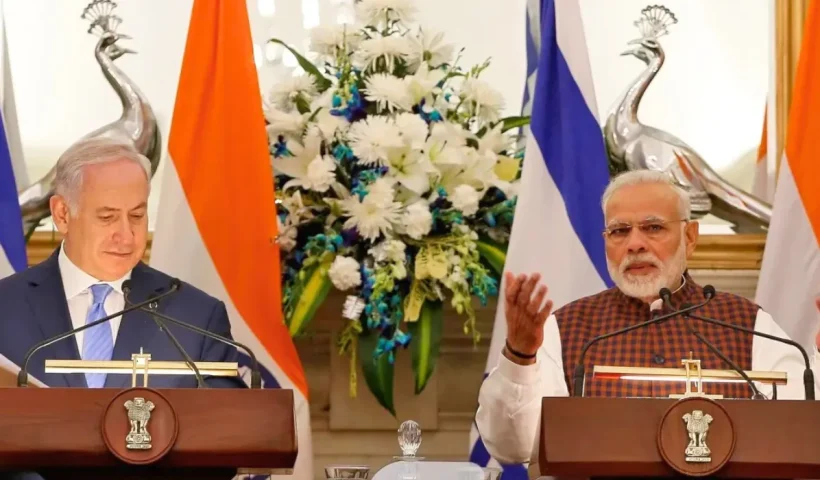
India + Israel: The Next Frontier in Smart Warfare

India and Israel have built a strong partnership driving innovation in IT, agriculture, and defence technologies, including unmanned systems and advanced surveillance. Collaborations in R&D, manufacturing, and skill development are enhancing India’s self-reliance and boosting economic growth. Future cooperation on next-generation technologies like neural surveillance and autonomous platforms will help both nations counter evolving security threats and maintain global strategic influence.

View More India + Israel: The Next Frontier in Smart Warfare
Jaishankar

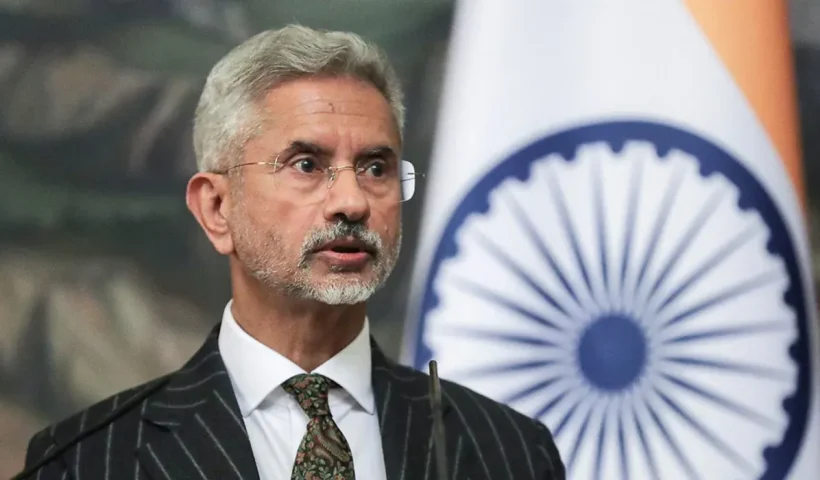
India’s Foreign Policy Matures: Jaishankar in New York

EAM Dr. S. Jaishankar’s New York remarks highlighted India’s rising role as a bridge in a multipolar world, emphasizing balanced diplomacy over bloc politics. He underscored India’s strategic autonomy, realistic trade posture, and firm stance on terrorism and UN reform. The message was clear: India is no longer a reactive player, but a stable, self-assured global partner.

View More India’s Foreign Policy Matures: Jaishankar in New York