Exercise Trishul is an important step in India’s continued progress toward integrated warfighting and jointness at the theater level. In late 2025, the Southern Command of the Indian Army, the Western Naval Command of the Indian Navy, and the South-Western Air Command of the Indian Air Force all worked together on the western border. The desert of Rajasthan, the marshlands of Kutch, and the northern Arabian Sea were all part of this. Trishul was more than simply a display of strength; it showed that India could work together in many areas, such as land, sea, air, cyber, and space. This article looks at the goals, design, new ideas, and strategic effects of the exercise in light of India’s evolving theatre-command doctrine and Atmanirbhar Bharat defence reforms.
View More Exercise Trishul: Advancing India’s Theatre CommandYear: 2025
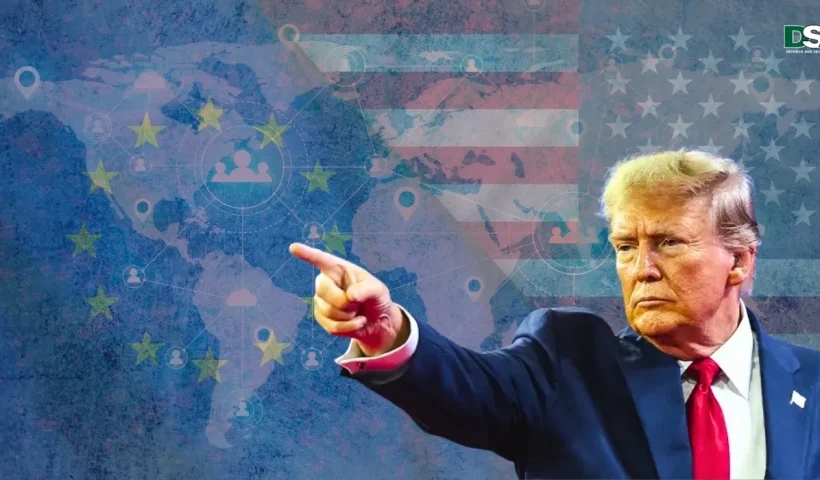
Rethinking EU Security: Trump 2.0 and the Transatlantic Partnership
Donald Trump’s return to the White House in 2025 has shaken up transatlantic security once more. NATO has been the main part of European defence for decades, with the US providing important guarantees. Trump’s renewed focus on his “America First” doctrine, which treats alliances as business contracts instead of long-term partnerships, makes people question what Washington has promised. His second term forces the EU to face an important question: can it protect its own safety if U.S. leadership is weak?
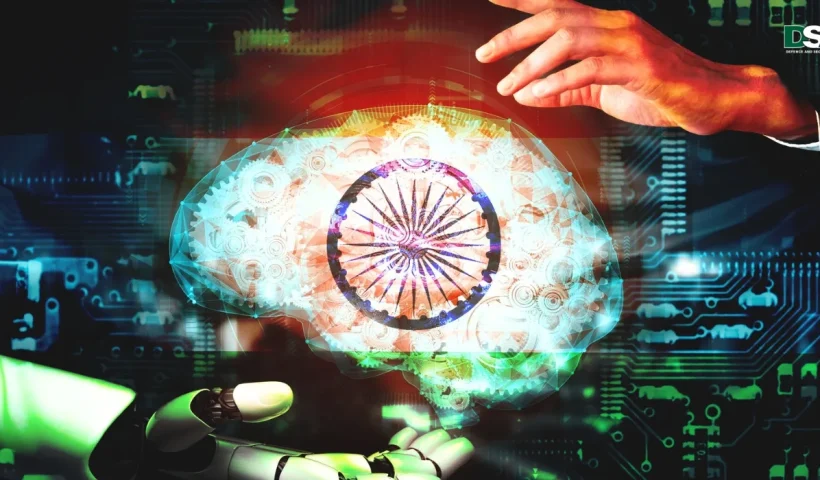
View More Rethinking EU Security: Trump 2.0 and the Transatlantic PartnershipShaping AI Governance: The India Mission
India is emerging as a global leader in AI by focusing not just on technological advancement, but on inclusion and ethics. The India AI Mission, through initiatives like Bhashini, AI Kosha, and Safe & Trusted AI, aims to make AI reflect Indian languages, values, and needs. It also fosters global partnerships via platforms like GPAI and the Global AI Summit. This approach positions India as a key voice for the Global South in shaping AI governance.
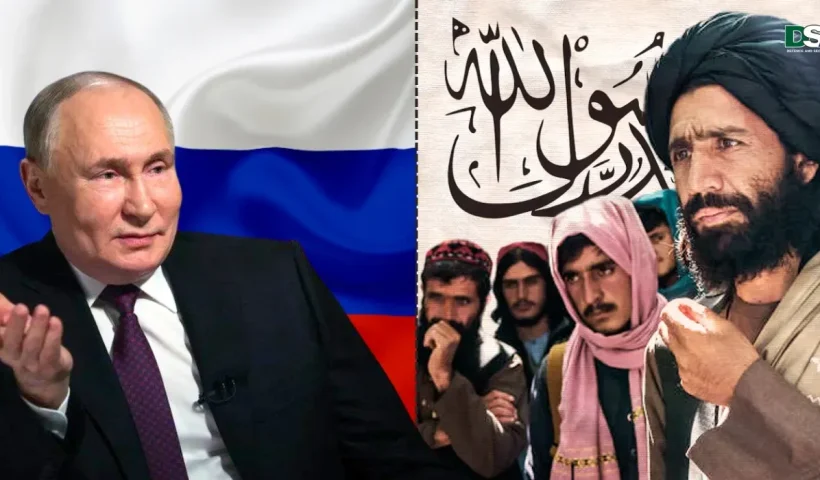
View More Shaping AI Governance: The India MissionRussia’s Recognition of the Taliban Government ends two years of isolation
Russia has become the first country to formally recognise the Taliban-led government in Afghanistan, prioritising regional security and counter-terrorism cooperation over ideological concerns. This recognition reflects Moscow’s strategic interests in curbing ISKP threats, narcotics trade, and increasing its influence post-US withdrawal. For the Taliban, it opens the door to diplomatic legitimacy and potential regional investment, despite ongoing global criticism over human rights violations.
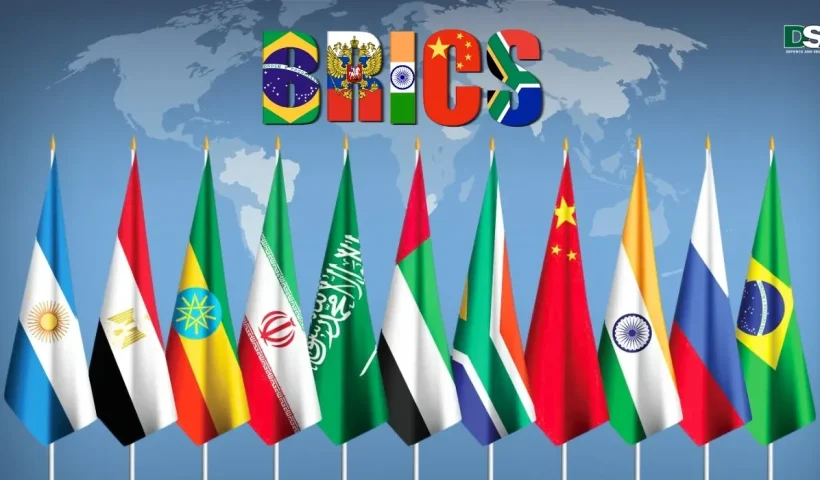
View More Russia’s Recognition of the Taliban Government ends two years of isolationIndia navigating BRICS
BRICS offers India a strategic platform to promote its developmental goals, maintain strategic autonomy, and influence global governance reforms. However, internal divisions, China’s dominance, and rapid expansion pose significant challenges. India must proactively shape BRICS to preserve its relevance as a cooperative Global South platform.
View More India navigating BRICSParliament Debates Operation Sindoor, Doctrine Redefined
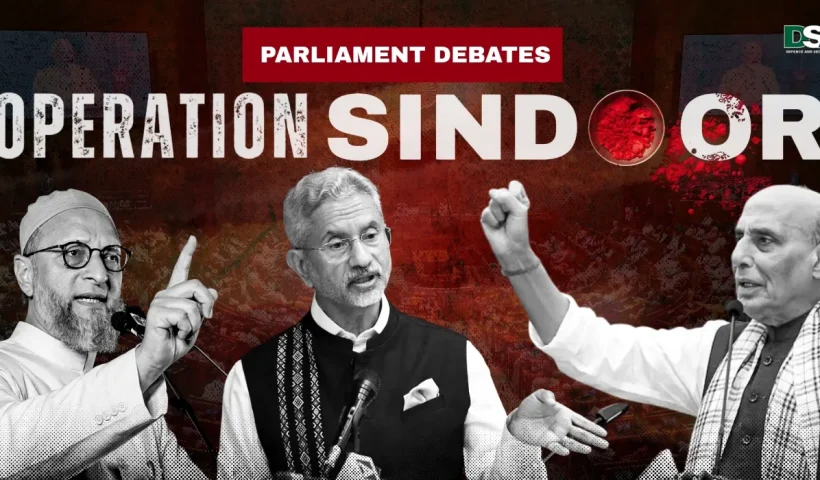
The parliamentary debate on Operation Sindoor marked a strategic shift in India’s national security doctrine, showcasing a coordinated diplomatic and military response to cross-border terrorism. External Affairs Minister Jaishankar emphasized global support and outlined a new five-point doctrine, while Defence Minister Rajnath Singh detailed the precise military action that followed the Pahalgam attack. AIMIM MP Asaduddin Owaisi stood out from the opposition, raising critical questions on India’s defence preparedness, reflecting a maturing bipartisan approach to national security.
View More Parliament Debates Operation Sindoor, Doctrine RedefinedThe Rohingya Crisis: A Global Responsibility Abandoned?
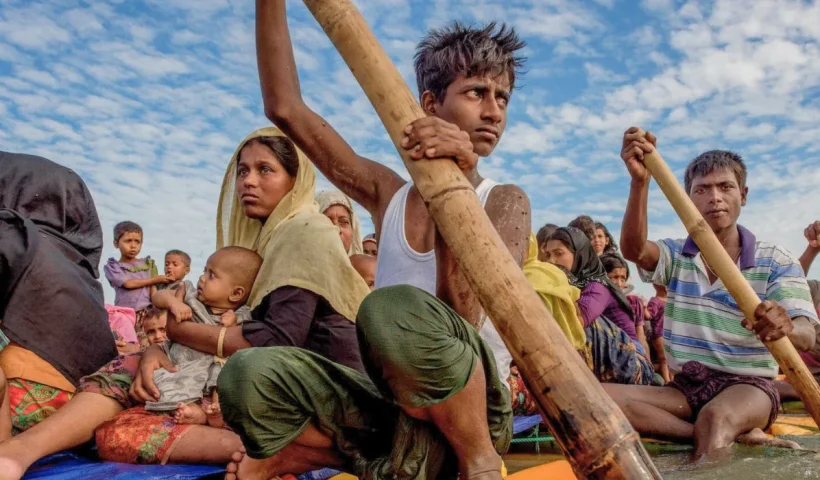
The Rohingya crisis reflects a grave global humanitarian failure, with over a million people displaced and inadequate international response. Despite severe persecution and civil war in Myanmar, global powers and institutions have failed to act decisively. Urgent, coordinated efforts are needed to uphold human rights, deliver aid, and ensure long-term solutions for displaced populations.
View More The Rohingya Crisis: A Global Responsibility Abandoned?Kargil Vijay Diwas 2025: Remembering 26 Years of Courage and Victory
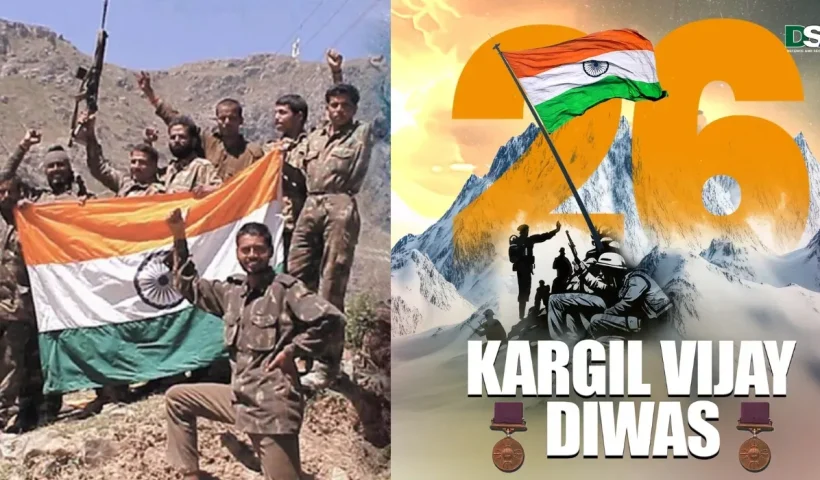
India marks the 26th Kargil Vijay Diwas in 2025, honouring the extraordinary bravery of soldiers who reclaimed Indian territory during the 1999 Kargil War. Through nationwide tributes like mountain expeditions, outreach to martyrs’ families, and youth engagement, the Indian Army has kept their legacy alive. The day also reflects India’s transformation into a stronger, tech-enabled military power, inspired by the courage and sacrifices of Kargil’s heroes.
View More Kargil Vijay Diwas 2025: Remembering 26 Years of Courage and VictoryCombat Air Patrol: Relevance in Modern Air Warfare
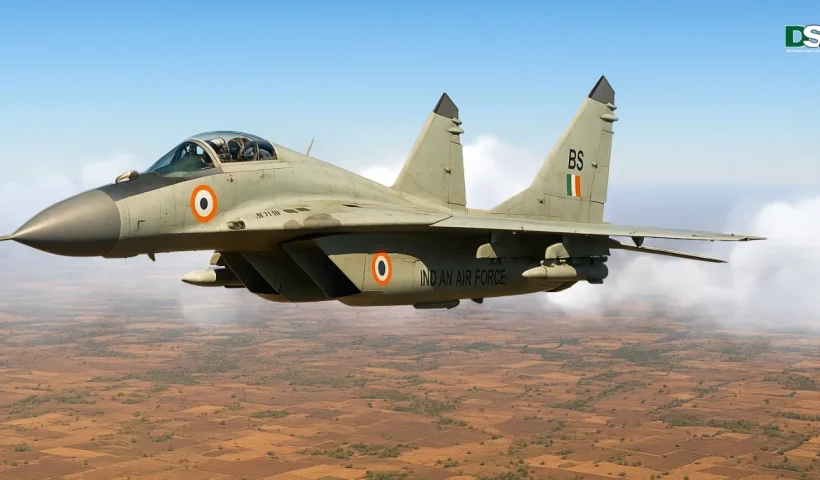
The traditional air defence doctrine has long relied on Combat Air Patrols (CAP) as the primary means of securing national airspace. Supported by Operation Readiness Platforms (ORP)—fighter jets on ground alert, fully armed, and ready to launch within minutes—CAP missions have historically provided a rapid response to enemy aerial threats, especially near borders or in high-risk areas.
View More Combat Air Patrol: Relevance in Modern Air WarfareGroup Captain Shubhanshu Shukla’s Space Journey Ignites India’s Dreams
The article talks about India’s accomplishments in space during the AXIOM 4 mission. Group Captain Shubhanshu Shukla has become a new national hero and inspiration for the new generation, and his experiments during his 18-day space mission will help ISRO’s upcoming Gaganyan mission. India has strengthened its scientific muscles through the mission, which will boost India’s space economy and global standing.
View More Group Captain Shubhanshu Shukla’s Space Journey Ignites India’s Dreams