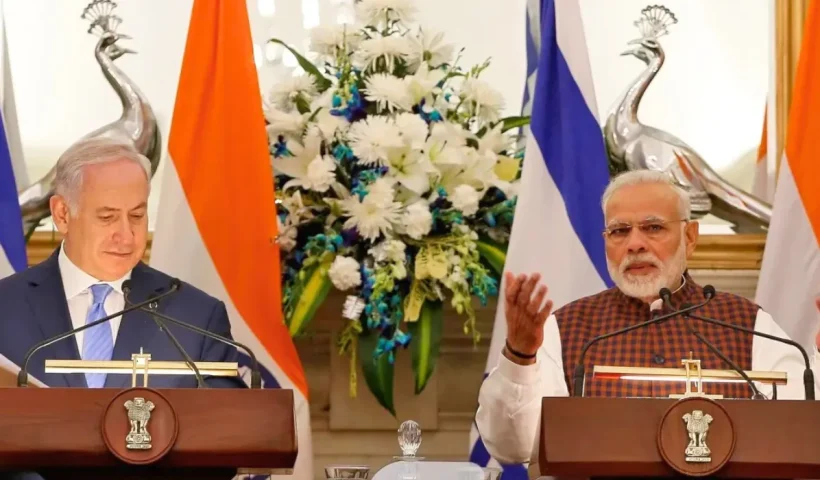
PM Narendra Modi’s historic visit to Croatia marks a strategic shift in India’s foreign policy, enhancing ties with a key Eastern European economy amid broader EU-FTA negotiations. The visit also signals India’s interest in a potential India–Egypt–Croatia trade corridor, offering an alternative to IMEC amid Middle Eastern tensions. This deepening trilateral engagement could reshape India’s economic footprint in Europe and the Mediterranean.
View More PM Narendra Modi’s Croatia Visit – Analysing The Geoeconomic DynamicsAuthor: admin
India-China Relations: A Constructive Reset with Strategic Promise
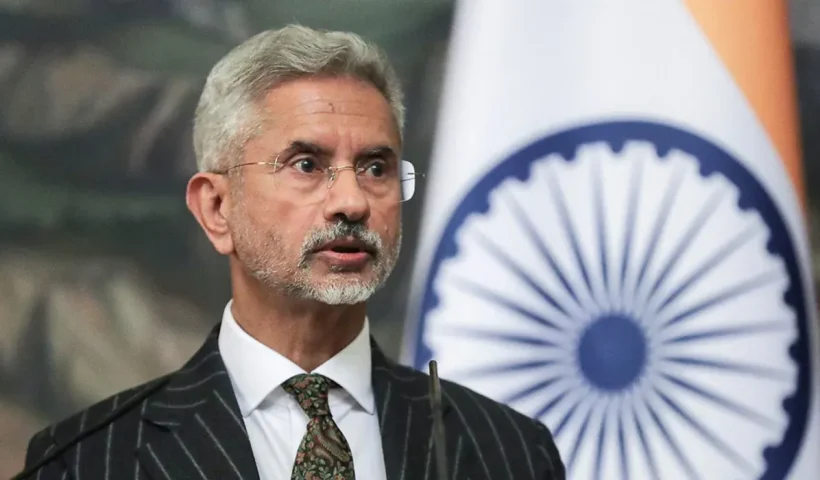
External Affairs Minister S. Jaishankar’s 2025 visit to China marks a cautious revival of dialogue after years of tension following the 2020 Galwan clash. While both nations are adopting a softer diplomatic tone and reactivating bilateral mechanisms, deep-rooted mistrust—especially over the unresolved border and geopolitical rivalries—persists. True normalization will require sustained efforts in trust-building, strategic maturity, and de-escalation on both sides.
View More India-China Relations: A Constructive Reset with Strategic PromiseAre we witnessing change in warfare?
Warfare has drastically evolved from conventional strategies to drone and AI-driven tactics, accelerated by conflicts like Russia-Ukraine and India’s Op Sindoor. Unmanned systems, precision missiles, and cyber warfare are reshaping the battlefield, making adaptability the key to survival. The future of war will be dictated not by strength, but by how swiftly nations adapt to emerging technologies.
View More Are we witnessing change in warfare?Israel–Palestine Conflict Deepens After Abraham Pact
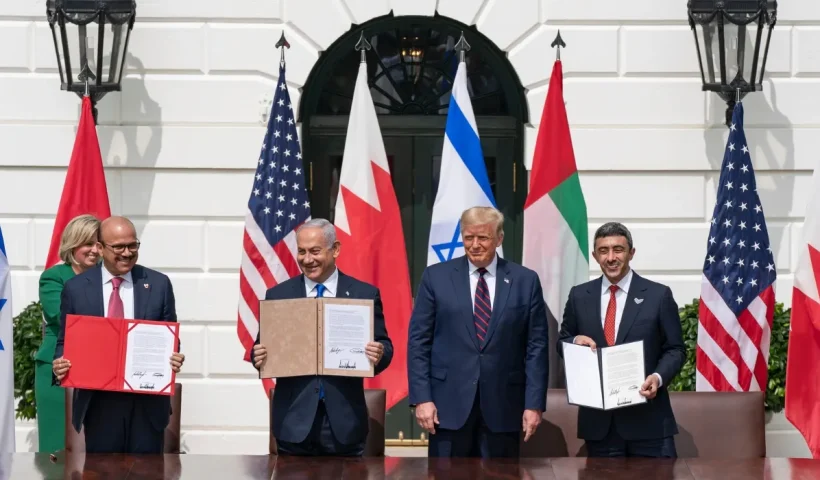
The article critiques the Abraham Accords as a superficial peace effort that excluded the core issue of Palestinian rights and grievances. While the U.S. projected itself as a mediator, the accord primarily served strategic and electoral interests, sidelining lasting peace. Hamas’s rejection and Israel’s continued exclusionary policies further fractured hope for resolution. Ultimately, peace remains elusive amidst entrenched hostility and political opportunism.
View More Israel–Palestine Conflict Deepens After Abraham PactFrom Op Sindoor to AI: Doval Inspires IIT Madras Graduates Accord
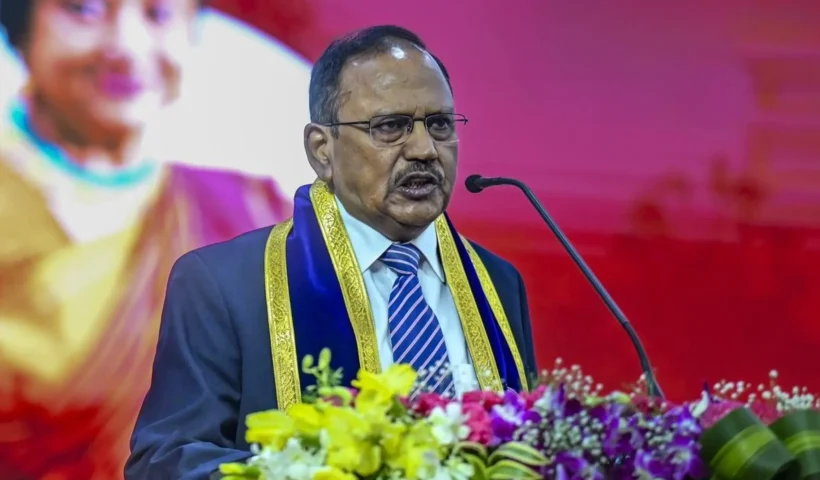
NSA Ajit Doval’s address at IIT Madras blended strategic insights with a nationalistic call to action. He detailed Operation Sindoor’s success using indigenous systems and dismissed Pakistan’s false narratives. Doval stressed the urgency of self-reliance in tech, AI, and defence. His message to youth: build a secure, sovereign India rooted in pride and innovation.
View More From Op Sindoor to AI: Doval Inspires IIT Madras Graduates AccordOperation Sindoor: India Strikes but Stays Measured, What Pakistan Must Learn And India Must Prepare For
Operation Sindoor marks a decisive shift in India’s counterterror doctrine, showcasing its readiness to strike deep inside Pakistan in response to terror attacks. The operation exposed Pakistan’s military vulnerabilities and eroded its nuclear deterrence bluff, while reaffirming India’s technological and strategic superiority. India now faces the imperative of preparing for future multi-domain and collusive threats, especially from a China-Pakistan axis. Despite the escalatory posture, India remains committed to peace—if Pakistan ends its support for terrorism.
View More Operation Sindoor: India Strikes but Stays Measured, What Pakistan Must Learn And India Must Prepare ForMaritime Power and Multi-Domain Integration in Indo-Pacific
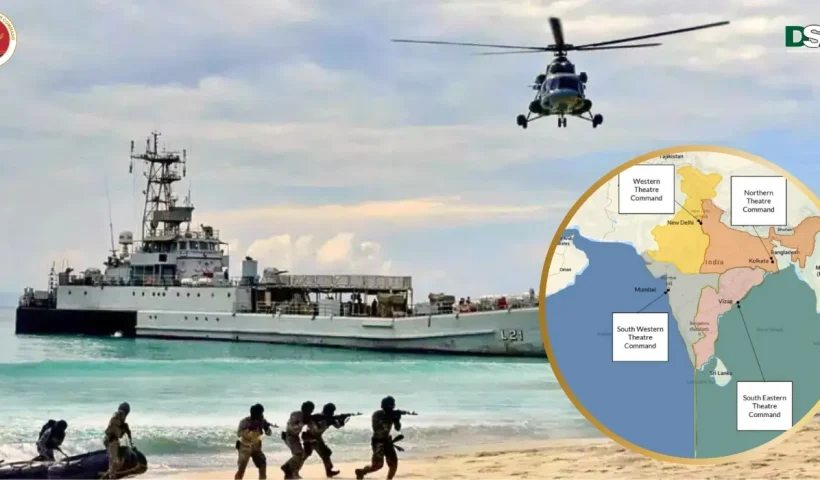
As maritime threats evolve across the Indo-Pacific, countries are shifting toward maritime-centric theatre commands (MTCs) to unify space, cyber, and naval capabilities. While the U.S. and China lead, India’s progress remains hindered by doctrinal ambiguity and interoperability gaps. This article assesses the rise of MTCs, examines case studies, and outlines actionable policy recommendations for building a resilient regional command architecture.
View More Maritime Power and Multi-Domain Integration in Indo-PacificBRICS and the Rise of a New Global Order
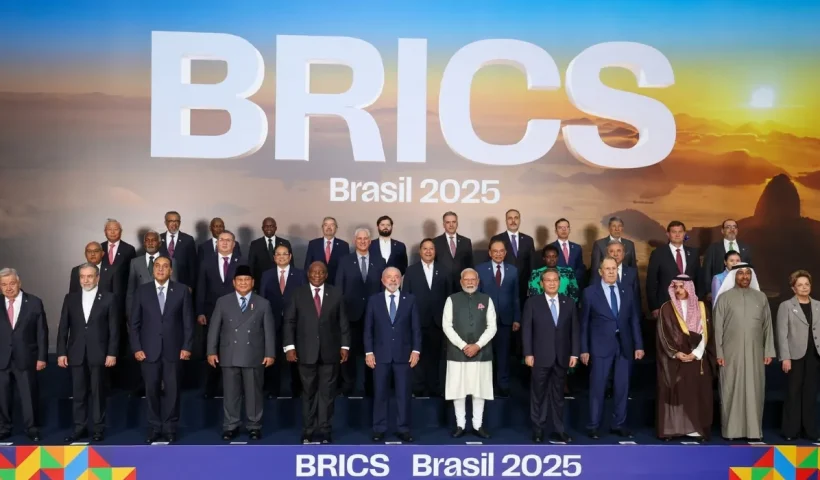
The 17th BRICS Summit in Rio de Janeiro signaled a shift toward a multipolar world, with the Global South asserting its role in global governance. BRICS is challenging Western dominance by promoting inclusive, development-focused alternatives in finance, trade, and diplomacy. With expansion and growing unity, it offers a new model of cooperation rooted in mutual respect and sovereignty.
View More BRICS and the Rise of a New Global OrderBeneath the Surface: Submarine Cables and Strategic Competition
Submarine cables form the backbone of global digital communication but are increasingly vulnerable to geopolitical competition, espionage, and sabotage, particularly by China through its Digital Silk Road strategy. China’s rapid expansion in undersea cable infrastructure has raised global security concerns, with incidents near Taiwan and Europe pointing to possible hybrid threats.
View More Beneath the Surface: Submarine Cables and Strategic CompetitionSecuring Borders with Solar: PM-KUSUM and India’s Strategic Energy Imperative
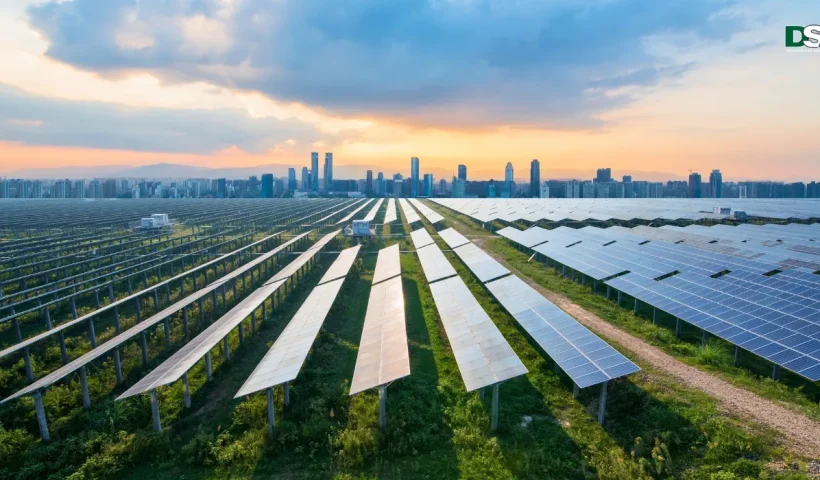
India’s PM-KUSUM scheme, initially designed for agricultural solarization, holds untapped strategic potential to bolster border security and energy resilience. By targeting energy-deficient border regions with solar infrastructure, it can reduce diesel dependence, enhance rural stability, and support defence operations. Integrating clean energy with national security goals offers India a sustainable path to fortify its frontiers.
View More Securing Borders with Solar: PM-KUSUM and India’s Strategic Energy Imperative